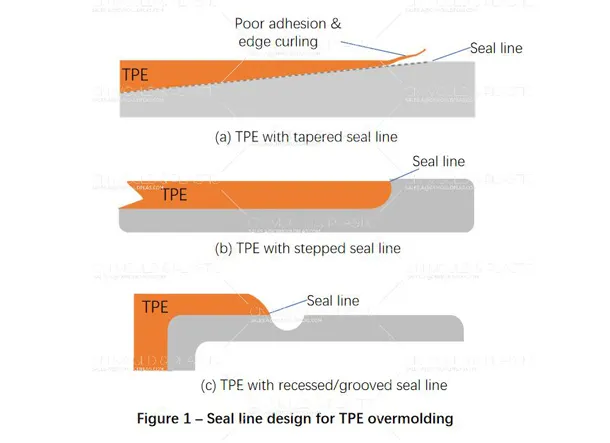
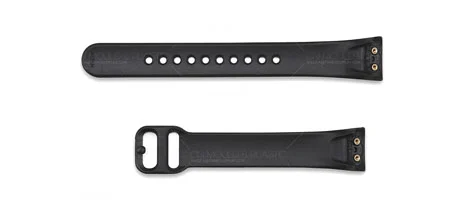
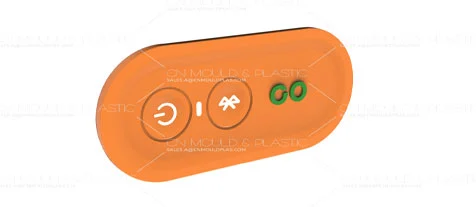
In multi-color and multi-material injection molding, achieving reliable waterproofing depends on one key factor: whether the interface between the two materials forms a continuous, uninterrupted seali...
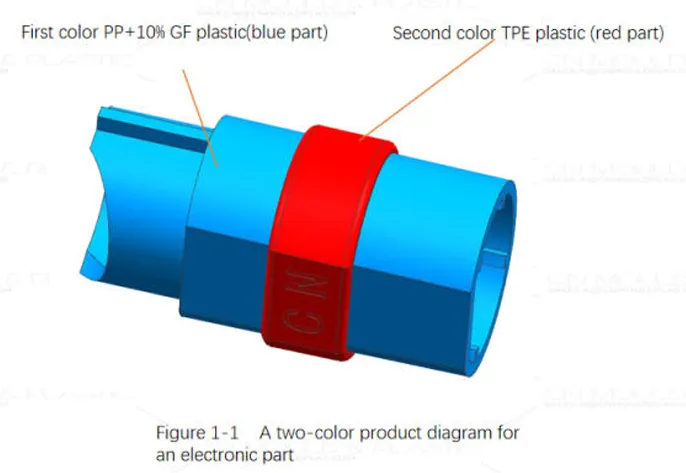
Product DescriptionFigure 1-1 shows a two-shot product of an internal electronic component. It has an average wall thickness of 1.5 mm and overall dimensions of 31 mm × 42.7 mm × 131 mm. The green s...
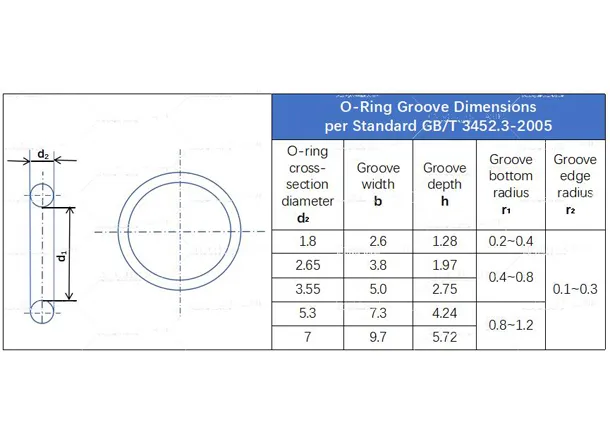
O-rings are the most commonly used sealing elements in mold cooling systems. When they fail, water leakage or seepage can occur, leading to mold damage and production downtime. This article explains w...
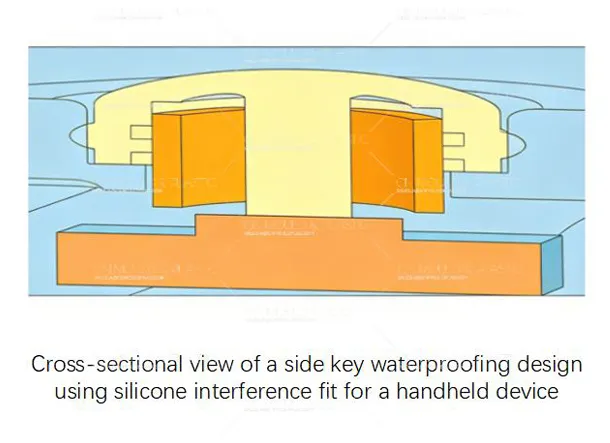
Waterproofing is critical in electronic products to prevent moisture damage like short circuits and corrosion. As user expectations rise, waterproof design has become a standard part of product develo...
In the world of injection molding, two-shot (or multi-component) tooling represents the pinnacle of complexity and precision. While much of the focus often falls on the cavity design and the initial s...
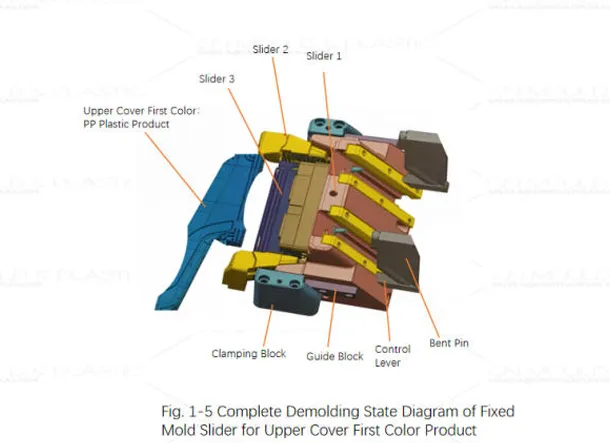
In the world of injection molding, complex part geometries often require equally complex mold designs. One such example is the first-color top cover shown in Figure 1-1, which features an innovative s...
Designing a mold for a complex overmolded part is always a challenge, but some projects truly push the boundaries. This blog walks through the critical thinking and solutions for a particularly intric...
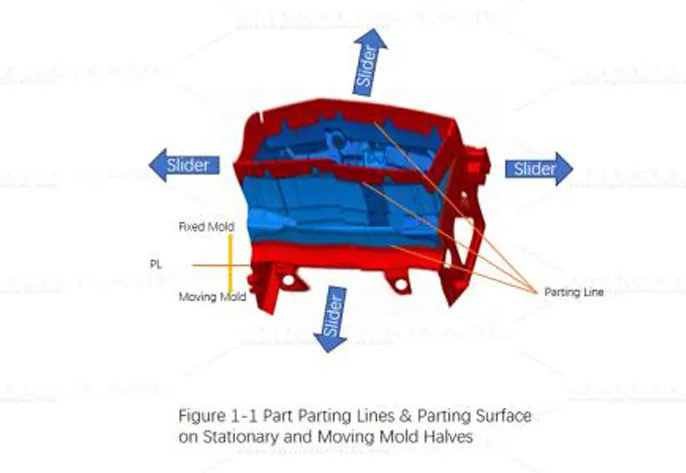
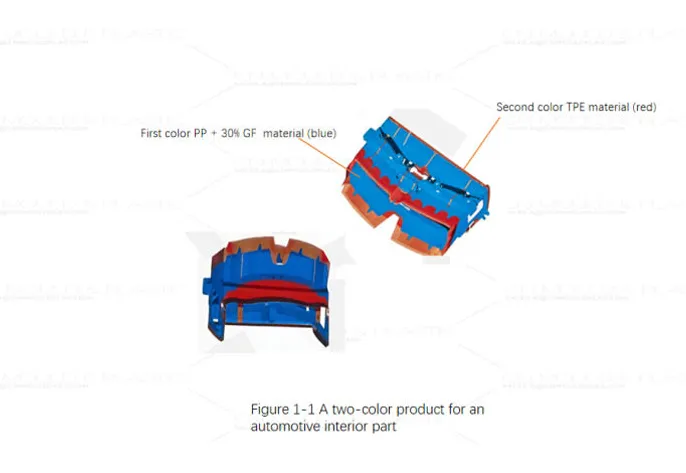
Figure 1-1 presents a two-color drawing of an automotive interior component, where the green section is the first-shot PP+30% GF material (hard plastic) and the orange section is the second-shot TPE m...
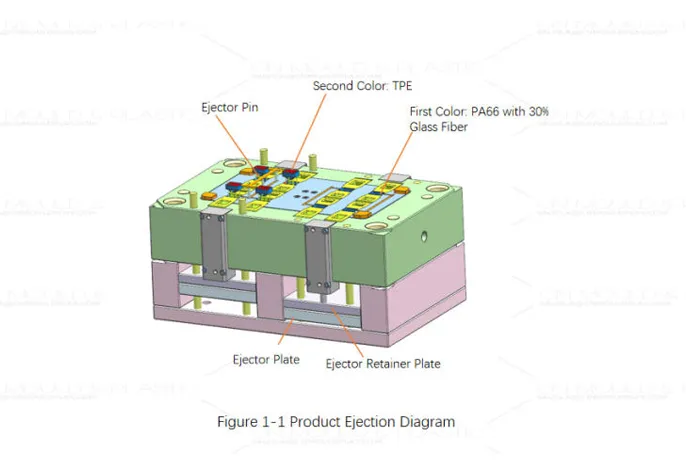
Product EjectionThe ejection of this two-color product is relatively straightforward. The ejector rod of the injection molding machine pushes the ejector plate and the ejector retainer plate, which in...
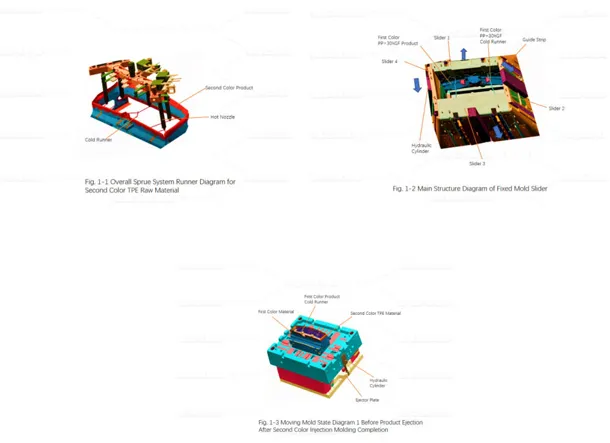
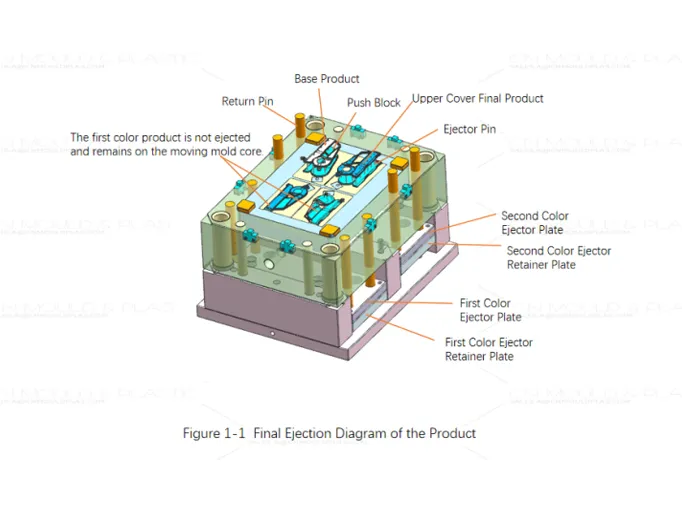
Product EjectionThis mold is a typical two-color mold with a rotating moving half. After the first color product is injection molded, the mold opens for the first time. The moving half then rotates 18...
 English
  français
  Deutsch
  Español
  italiano
  русский
  português
  العربية
  dansk
dansk  Suomi
Suomi  Svenska
  norsk
norsk