English
  français
  Deutsch
  Español
  italiano
  русский
  português
  العربية
  dansk
dansk  Suomi
Suomi  Svenska
  norsk
norsk 09-04
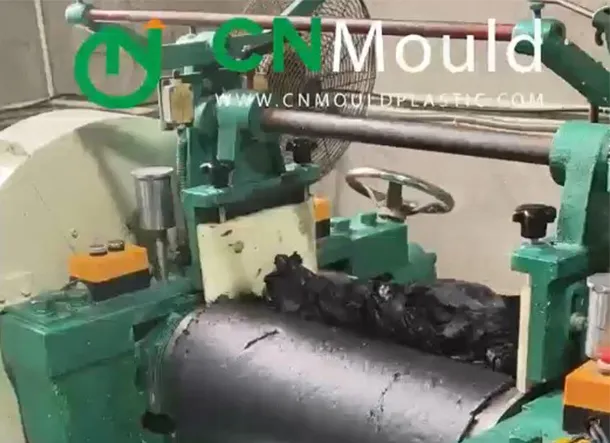
Rubber compounding is the first and most critical step in rubber product manufacturing. It involves mixing raw rubber with various ingredients — fillers, curing agents, accelerators, and other additi...

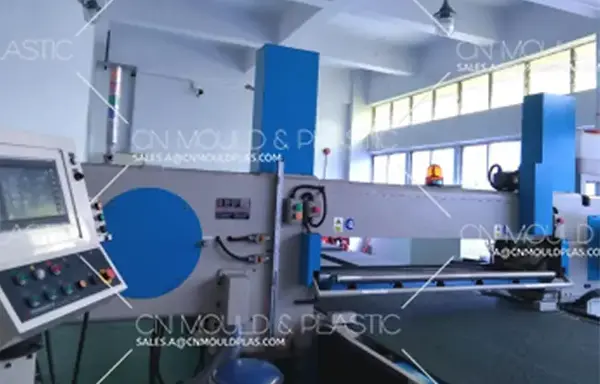
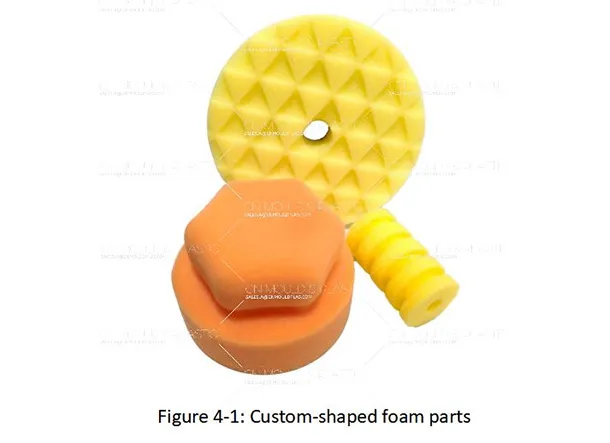
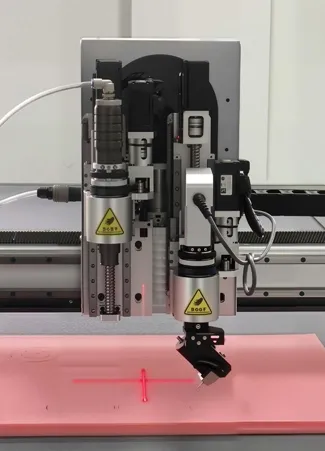
3D Foam Cutting is a process that uses machining technology with assistance of advanced tool to precisely shape foam materials into pre-designed three-dimensional forms. This technology breaks through the limitations of traditional foam processing, which could only handle simple geometric shapes, and enables the efficient, high-precision machining of complex 3D contours.
At CN Mould & Plastic Limited, our equipment applies the “high-frequency micro-vibration” cutting principle. This technique gently and rapidly separates the fiber structure of the material, avoiding forceful pulling or compression. As a result, every cut surface remains clean and smooth, delivering flawless three-dimensional finished products.
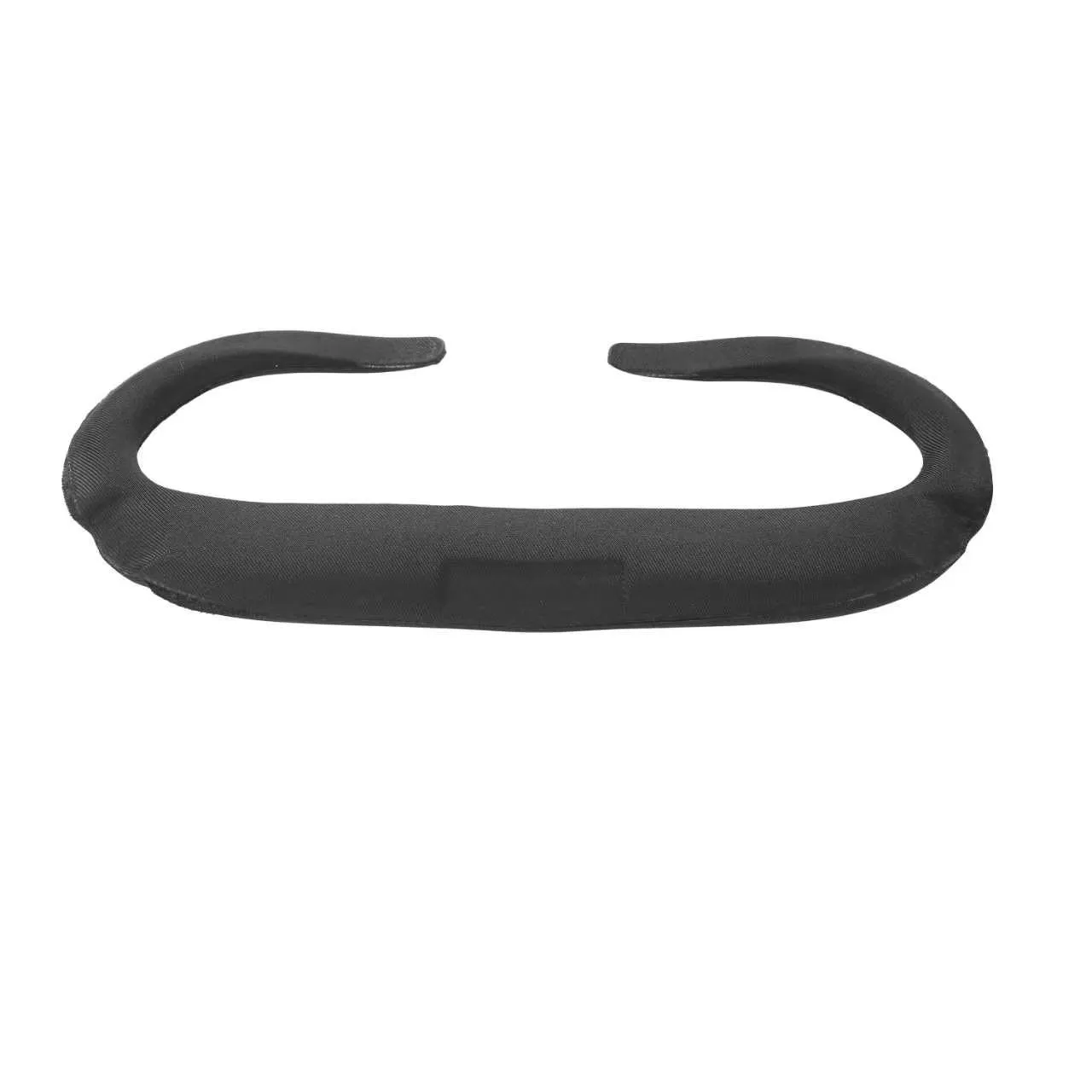
Foams: EVA, EPE foam, XPE, sponge, thick foam, acoustic foam
Packaging & Boards: KT board, soft PVC, crystal mat, corrugated board
Leather & Textiles: genuine leather, synthetic leather, fabric
Automotive: car floor mats, auto interior trim, seat covers, conductive foam
Composites & High-Performance: Carbon fiber, fiberglass, composite sealing materials
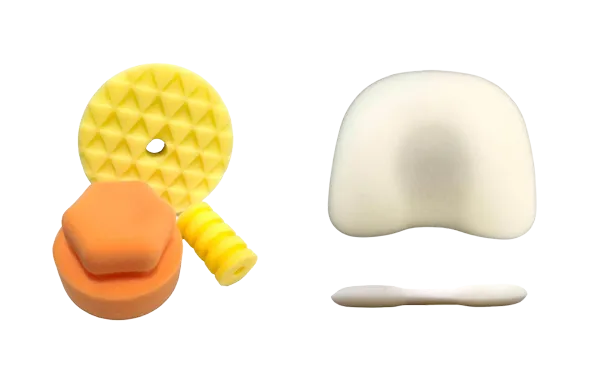
Electronics and Medical Product Liners
Internal cushioning and protection for precision instruments, medica equipment, drones, etc.
Automotive and New Energy Components
Headliners, seat covers, conductive foam, shock-absorbing pads,sound insulation materials
Industrial Buffers and Seals
Cabinet seals, case cushioning, equipment feet, vibration damping blocks
Protective andPackaging Supplies
Helmet liners, sports padding custom foam packaging for shipping
Sound and Thermal Insulation Materials
Building acoustic foam,equipment thermal barriers, pipe insulation