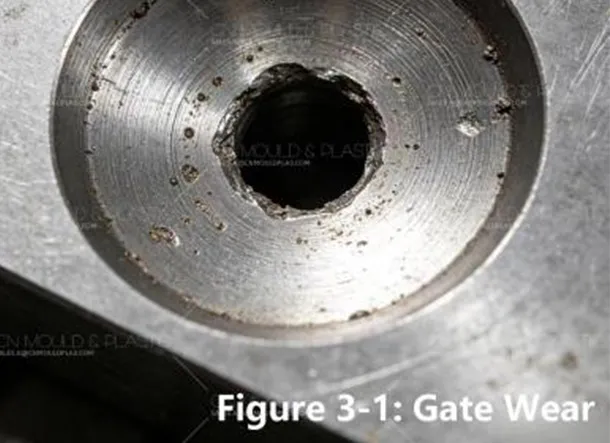
The gate is one of the most heavily stressed areas in an injection mold. Molten plastic passes through it at extremely high speeds — in thin‑wall molding, sometimes approaching the speed of sound. T...
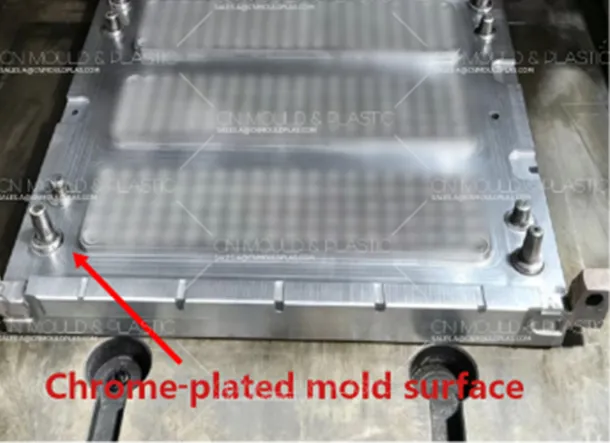
Wear is a constant challenge in mold manufacturing. To extend mold life and maintain part quality, various surface treatments are applied — ranging from hard chrome plating to nitriding and specializ...
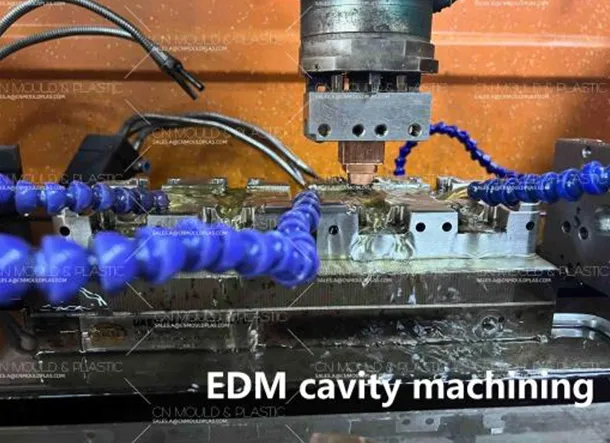
In electrical discharge machining (EDM) of mold cavities, the re‑solidified surface layer — known as the white layer — is an unavoidable byproduct of the process. To maintain surface integrity, the...
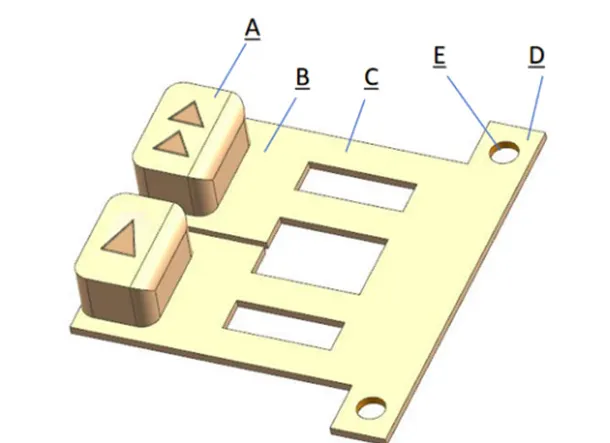
Every plastic part has critical features and non‑critical ones. Treating every surface with the same high‑precision requirement drives up mold manufacturing costs and ties up expensive equipment unn...
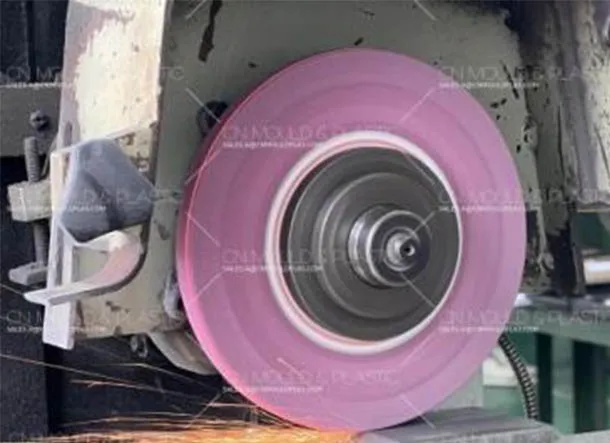
In mold manufacturing, the selection of a surface machining method depends on three key factors: the part shape and size, the required dimensional accuracy, and the desired surface finish. Common mach...
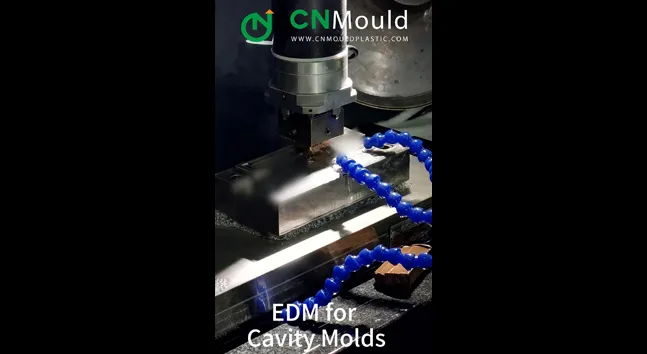
Cavity molds—including forging, die-casting, extrusion, and plastic injection molds—are difficult to machine by EDM. They involve blind cavities where fluid circulation is poor, debris is hard to fl...
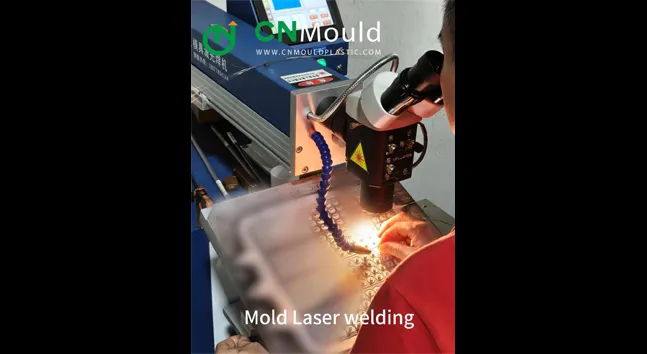
Welding is a common repair method in mold making. Whether a cavity has been over-machined, damaged by impact, or worn from use, welding fills the defective area with new material. The welded area is t...
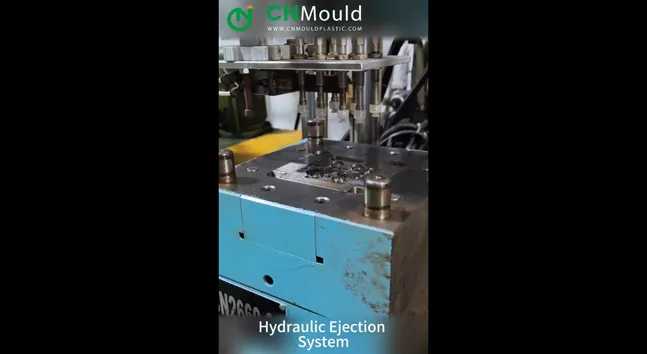
The ejection system is a critical component of an injection molding machine. Its primary function is to remove molded parts from the mold reliably and accurately. Based on the power source, ejection s...
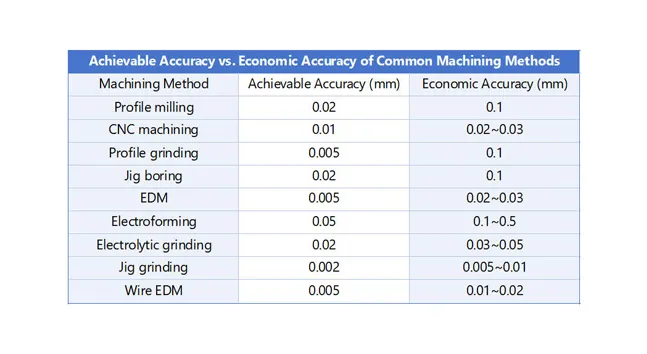
When considering mold manufacturing methods, it is essential to understand both the achievable accuracy and the economic accuracy of each process.Machining accuracy is an absolute technical measure of...
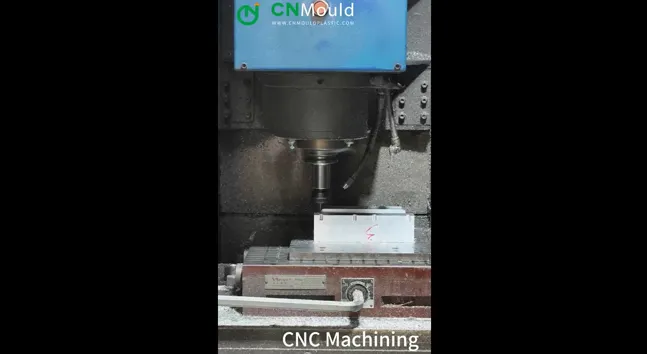
Achieving high precision in CNC machining requires attention to every detail — from machine performance to tooling, part design, tool path strategy, and environmental conditions. Below are the essent...
 English
  français
  Deutsch
  Español
  italiano
  русский
  português
  العربية
  dansk
dansk  Suomi
Suomi  Svenska
  norsk
norsk