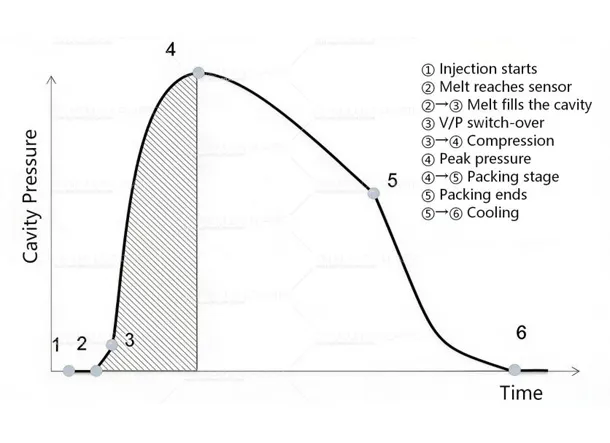
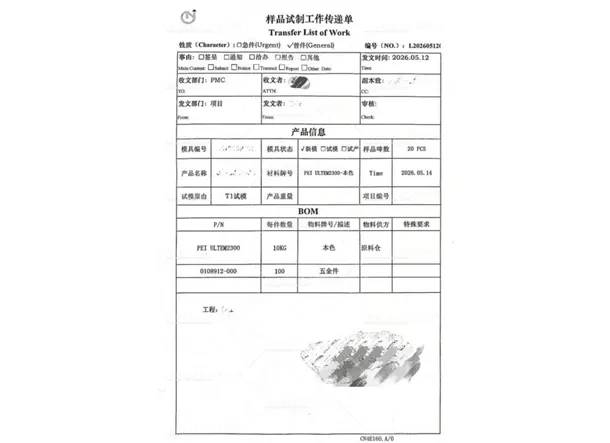
Trial molding is a critical step in mold validation. It not only verifies the mold structure but also establishes the process parameters for production. A well‑planned trial saves time, reduces costs...
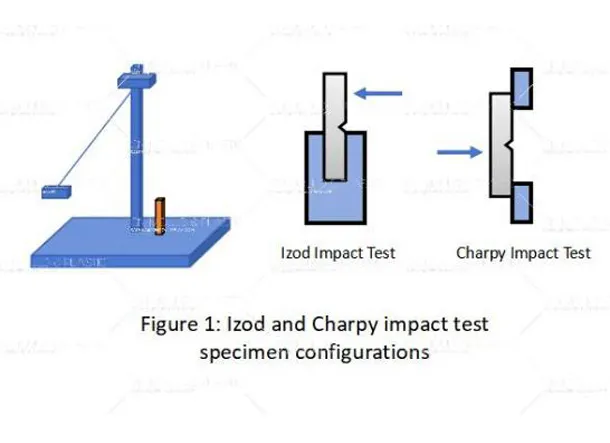
Impact performance is not simply a "material property" — it is closely tied to part geometry, wall thickness, dimensions, and the direction of the applied force. When a moving object strike...
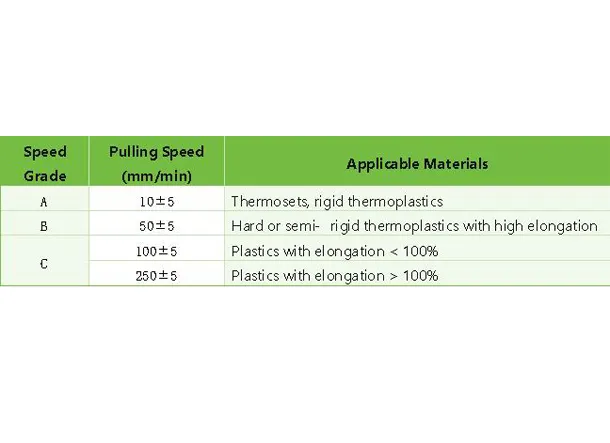
Tensile testing is a fundamental method for evaluating the mechanical properties of plastic materials. It measures both tensile strength and elongation at break by applying a controlled tensile load a...
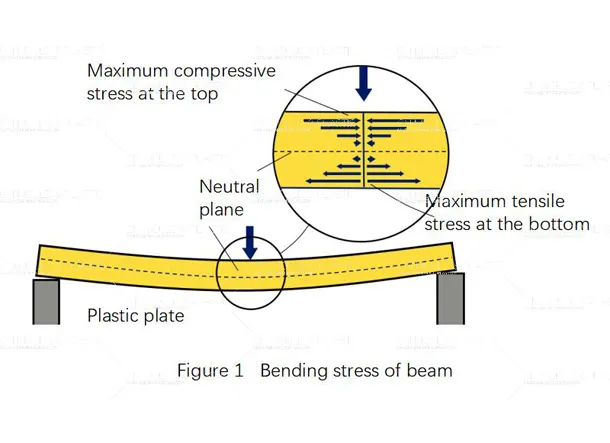
When a plastic or metal specimen with a rectangular cross‑section is bent between your fingers, one surface is stretched under tension while the opposite surface is compressed, as shown in Figure 1. ...
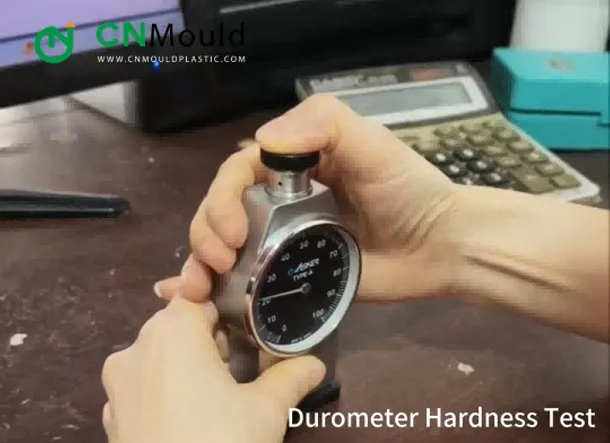
Hardness is a measure of a solid material's ability to resist permanent deformation when subjected to a compressive force. Hardness varies significantly between different materials — metals, for ...
In the mold manufacturing industry, trial molding and acceptance are essential steps to verify the stability, reliability, surface quality, and production efficiency of an injection mold. Today, we wi...
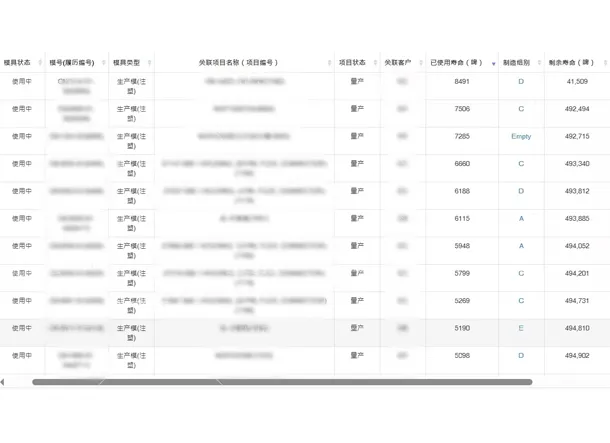
A mold file records every critical stage of a mold's life — from design and manufacturing to maintenance and eventual retirement. Without proper documentation, quality becomes impossible to trace...
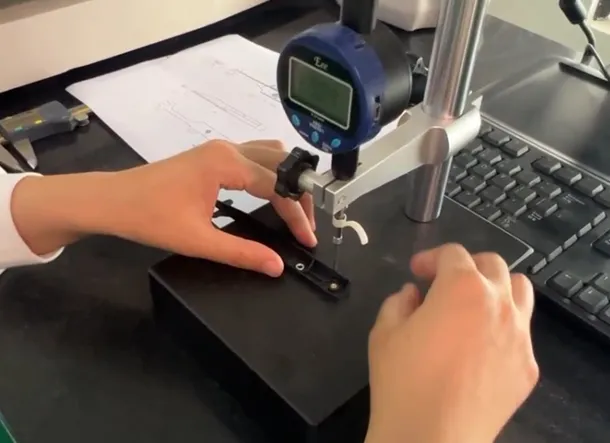
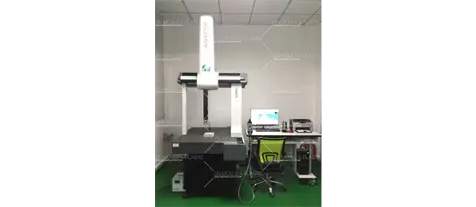
Dimensional inspection ensures plastic parts meet the required specifications. Below are the key aspects of this process.1. General Dimensional Inspection MethodParts used for dimensional measurement ...
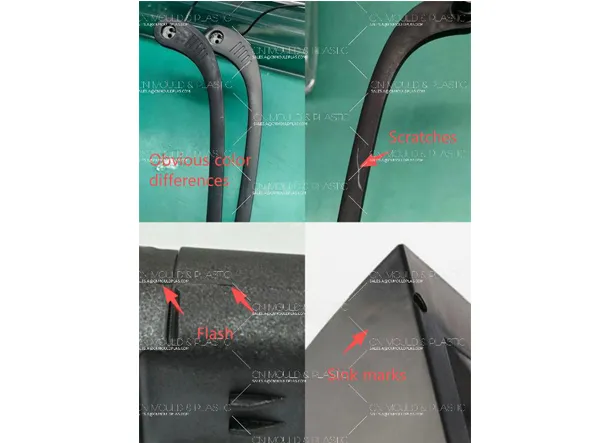
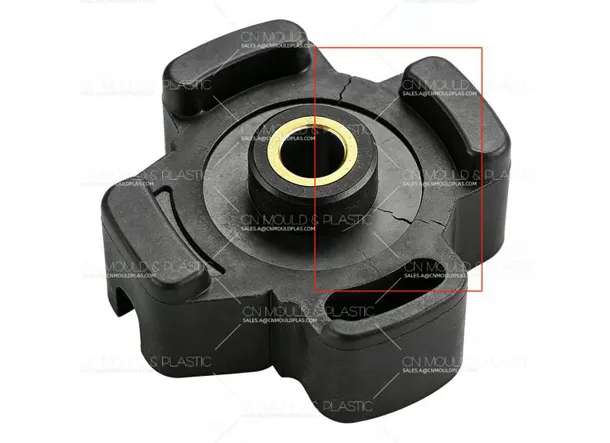
When we talk about the appearance of a plastic part, we mean things like its shape, color, gloss, and surface quality — basically, everything you can see and feel with your eyes.Different parts have ...
In injection molded parts, the state of internal stress varies across different regions, and the degree of part deformation is largely determined by the distribution of these stresses. The presence of...
 English
  français
  Deutsch
  Español
  italiano
  русский
  português
  العربية
  dansk
dansk  Suomi
Suomi  Svenska
  norsk
norsk