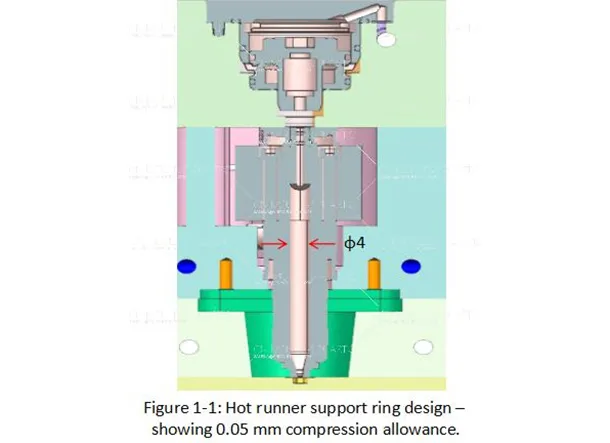
Hot runner systems offer significant advantages — no runner waste, shorter cycle times, and consistent part quality. But they also demand careful design. A poorly designed hot runner can cause leakag...
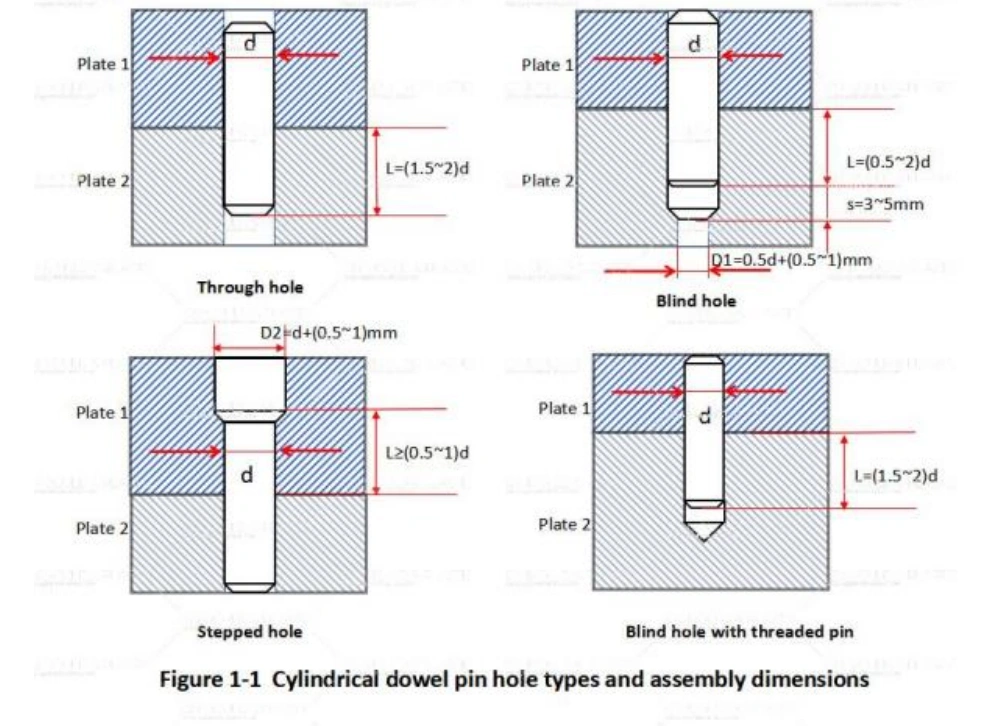
Locating pins (also called dowel pins) play a critical role in mold assembly. They ensure accurate alignment between mold plates and components, maintain assembly precision, and resist lateral shear f...
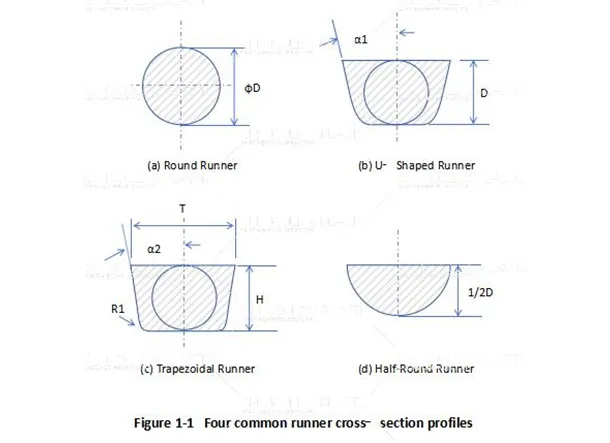
Runner design is a critical aspect of mold design. The cross‑sectional shape of the runner directly affects melt flow, pressure loss, and mold manufacturing cost. There are four commonly used runner ...
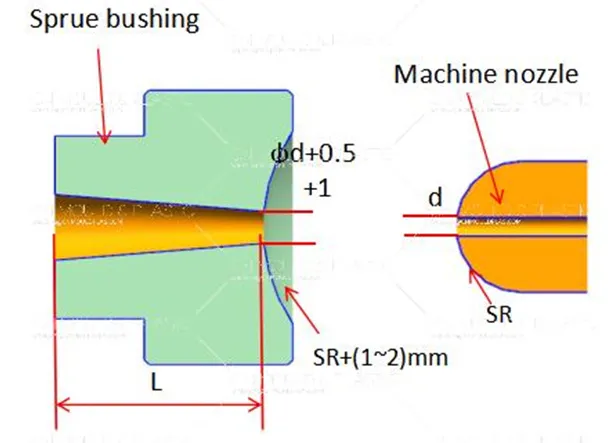
The sprue — also called the direct gate — is the first channel that molten plastic enters when flowing from the nozzle into the mold cavity. It serves as the bridge between the injection machine noz...
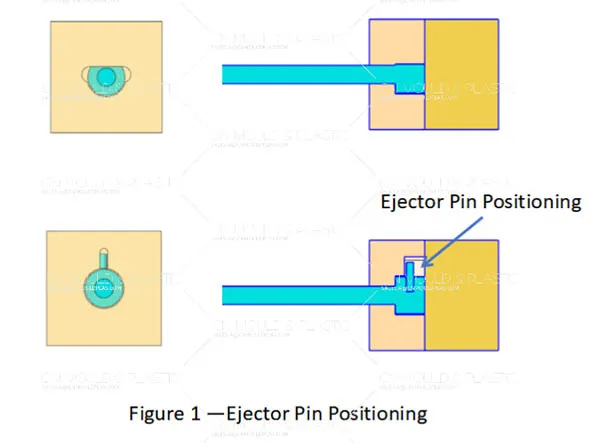
Ejector pins are the most widely used ejection method in injection molding. They are easy to machine — even when hardened steel is required — and can be placed almost anywhere on the part. Pin holes...
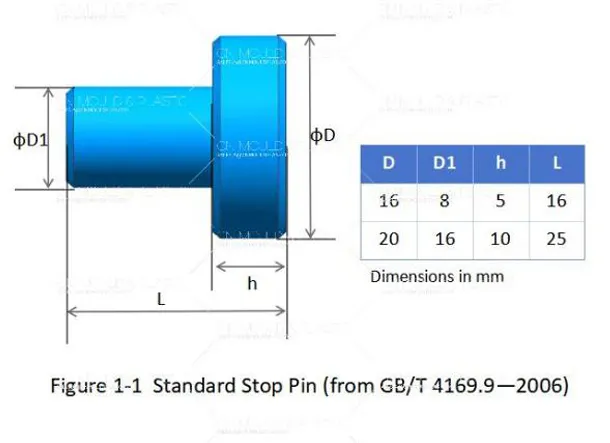
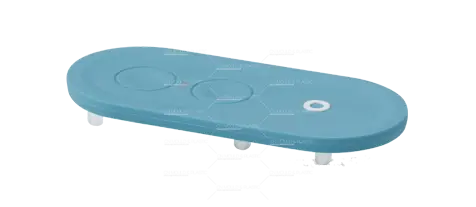
Limit stops—also called spacer pads, stop pins, or even “garbage pins” in shop‑floor slang—are small but essential components in injection molds. Their job is to support the ejection system, cont...
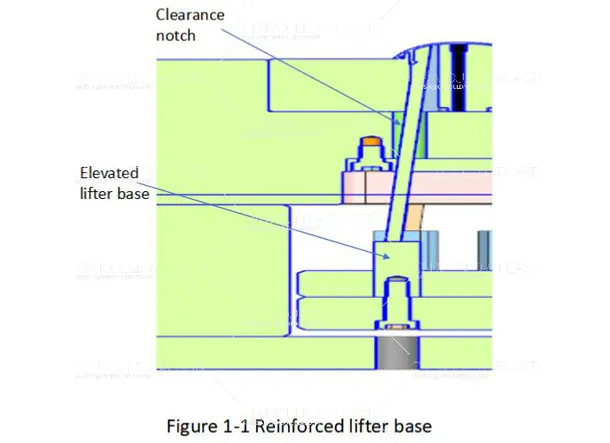
In injection mold design, lifters (also called angled core pullers) are often long and slender. They must withstand repeated sliding and bending forces during ejection. When space is tight and the lif...
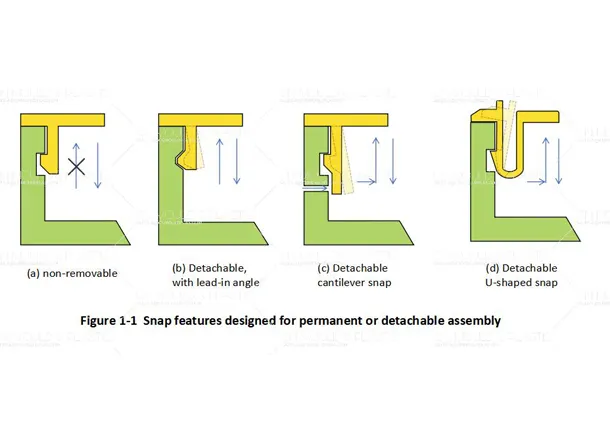
Cantilever snap‑fits are one of the most common joining methods in plastic part design. They consist of a beam that deflects during assembly and snaps into a mating component, providing a simple and ...
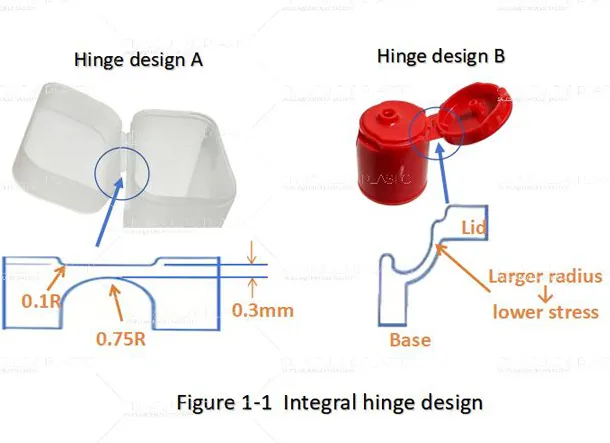
A living hinge is a very thin, flexible structural feature molded as an integral part of a plastic product. It is commonly used in plastic containers to connect a lid directly to the body( see Figure ...
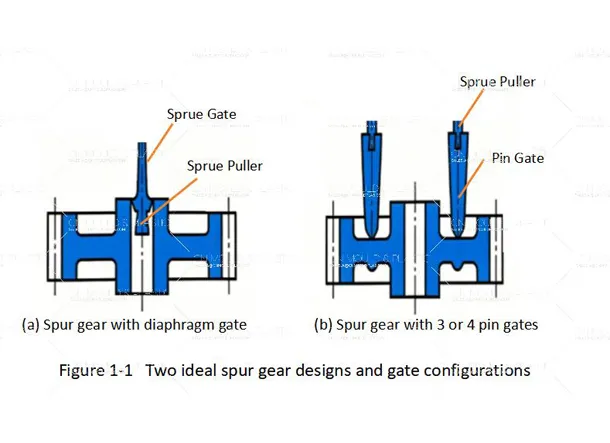
When designing thermoplastic gears, it is essential to remember that the gear must not only meet its mechanical function but also be dimensioned for correct and efficient injection molding. Simpler ge...
 English
  français
  Deutsch
  Español
  italiano
  русский
  português
  العربية
  dansk
dansk  Suomi
Suomi  Svenska
  norsk
norsk