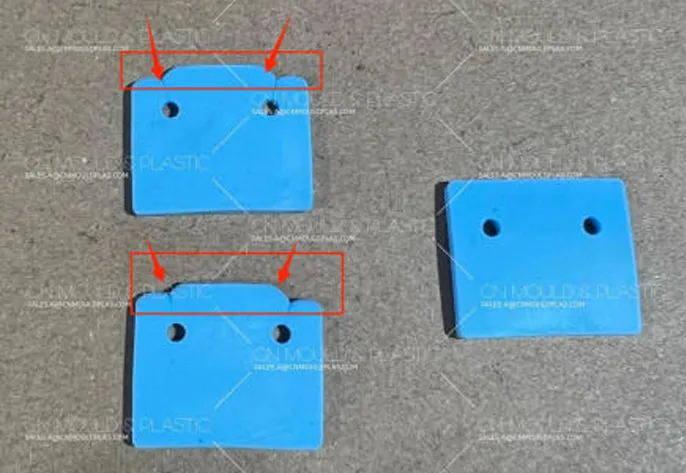
Welding is a common repair method in mold making. Whether a cavity has been over-machined, damaged by impact, or worn from use, welding fills the defective area with new material. The welded area is then machined or ground back to the required shape.
In mold repair, two welding methods are typically used: laser welding and TIG welding. Both are effective, but they serve different purposes.
Laser welding uses a focused beam of light to melt the filler material. The heat-affected zone is extremely small—typically less than 2 mm—and the weld layer can be as thin as 0.2 mm per pass. This makes it ideal for precision repairs on finished cavities, sharp edges, and textured surfaces. Distortion is minimal, and the risk of hardness change in the surrounding steel is low. However, laser welding is slower and requires expensive equipment.
TIG welding, by contrast, uses a tungsten electrode and an inert gas shield to create a larger, hotter arc. It produces a thicker weld bead per pass—typically 1 mm or more—making it better suited for rough repairs and large-area buildup. It is faster and less expensive, but it creates more distortion and carries a higher risk of stress and cracking in the repaired area.
In practice, if the repair is in a critical area that will not be re-machined—such as a shut-off surface or a fine edge—laser welding is the safer choice. If the repair is in a rough area that will be re-machined, TIG welding is faster and more economical.
Rules You Should Follow
Get customer approval first – All welding on mold components must be approved by the customer before starting. No exceptions.
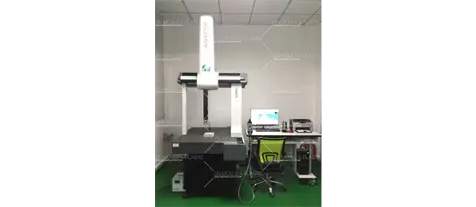
Measure and record before welding – Mark the repair area and record all relevant dimensions before welding begins. This allows post-weld comparison and reduces the need for repeated trials.
Follow welding best practices – Preheat the insert to 150–200°C. Use filler material that matches the steel type. Avoid welding on textured surfaces. Use fine, low-heat passes. Cool the part slowly—never quench it with air or water. For hardened inserts, weld before heat treatment where possible. For thin or delicate components, post-weld stress relief (such as tempering) is essential.

 English
  français
  Deutsch
  Español
  italiano
  русский
  português
  العربية
  dansk
dansk  Suomi
Suomi  Svenska
  norsk
norsk