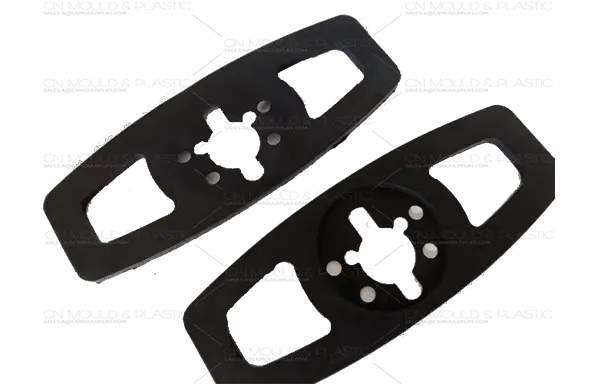
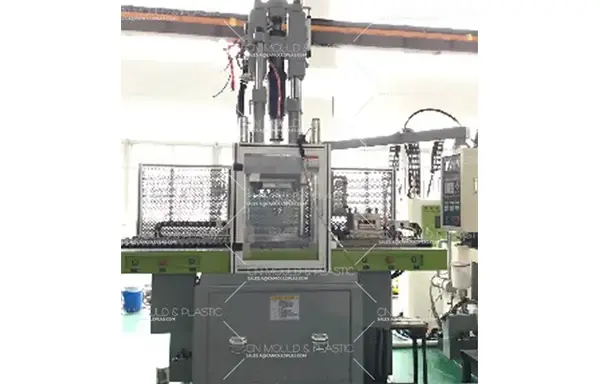
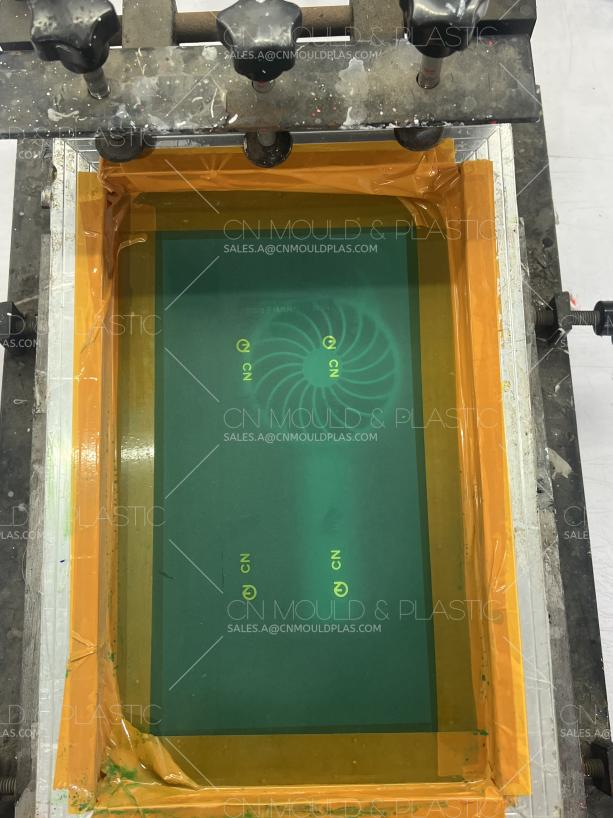
In the world of injection molding, two-shot (or multi-component) tooling represents the pinnacle of complexity and precision. While much of the focus often falls on the cavity design and the initial shut-off surfaces, the real test of a tool’s intelligence often lies in how it handles the finished part. In this post, we explore a sophisticated ejection system designed for a challenging two-shot mold, focusing on a clever "Lever" mechanism used to eject a cold runner.
The Challenge: Ejecting a Two-Shot Part
For the tool in question, the complexity wasn't just in the fixed mold (cavity side) sliders. The true engineering hurdle was ejecting the finished two-shot product reliably. While the fixed mold sliders, driven by hydraulic cylinders and synchronized with simple electronic sensors, retract smoothly during the mold opening sequence, the ejection process on the moving mold (core side) requires a carefully orchestrated sequence of movements.
The Ejection Sequence: A Two-Stage Process
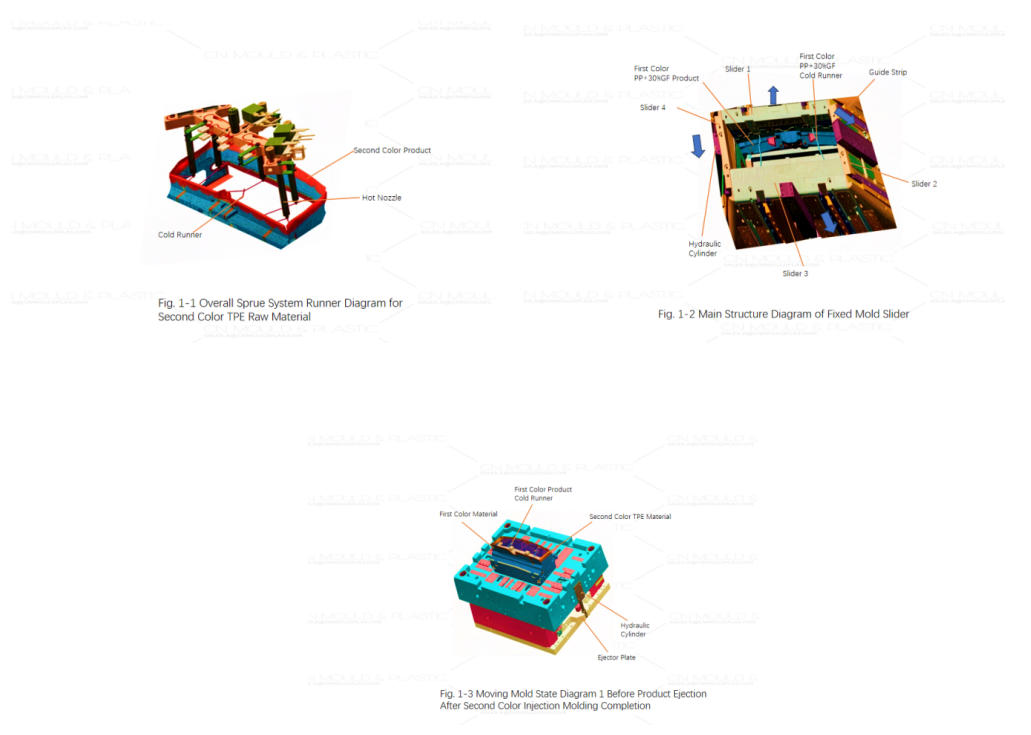
Once the second-shot TPE material is injected and the part is cooled, the ejection process begins. The figures provided illustrate the state of the moving mold side just before ejection begins. Here is a step-by-step breakdown of the intelligent mechanism that ensures both the part and the cold runner are successfully ejected.
Stage 1: Initial Ejection & Dismantling of the Stack
The process is initiated by a hydraulic cylinder connected to the main ejector plate (see below figure). As the cylinder extends, it drives the entire ejector assembly forward. This assembly includes:
Ejector rods and push blocks
A smaller, secondary ejector plate
Ejector pins, runner pins, and a "Lever" mechanism
During this initial movement, everything moves as one unit. The part begins to lift off the core, and the "pull hook" holds the small ejector plate securely to the main assembly.
As the ejector plate travels a predetermined distance, a control lever fixed to the "B" plate makes contact with the pull hook. This contact forces the hook to rotate, disengaging it from the small ejector plate (see below figure).
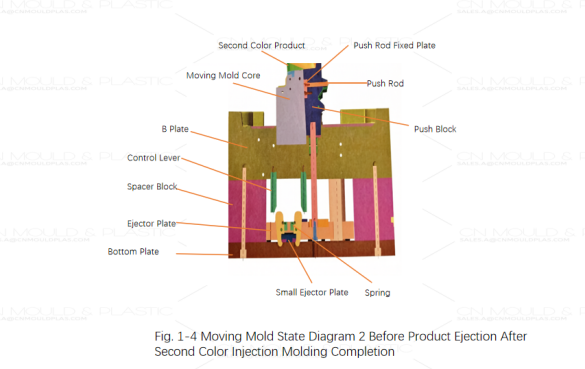
At this moment, the first stage of ejection is complete. The small ejector plate, along with its pins, stops moving. Critically, the product and the cold runner are still retained within the push block, meaning they cannot be removed yet.
Stage 2: The "Lever" Accelerated Ejection
The primary ejector plate continues its forward stroke, driven by the hydraulic cylinder. This is where the genius of the design comes into play.
A "Lever" mechanism is strategically mounted. As the ejector plate advances, a striker block fixed to the B plate contacts one end of the lever (see below figure).
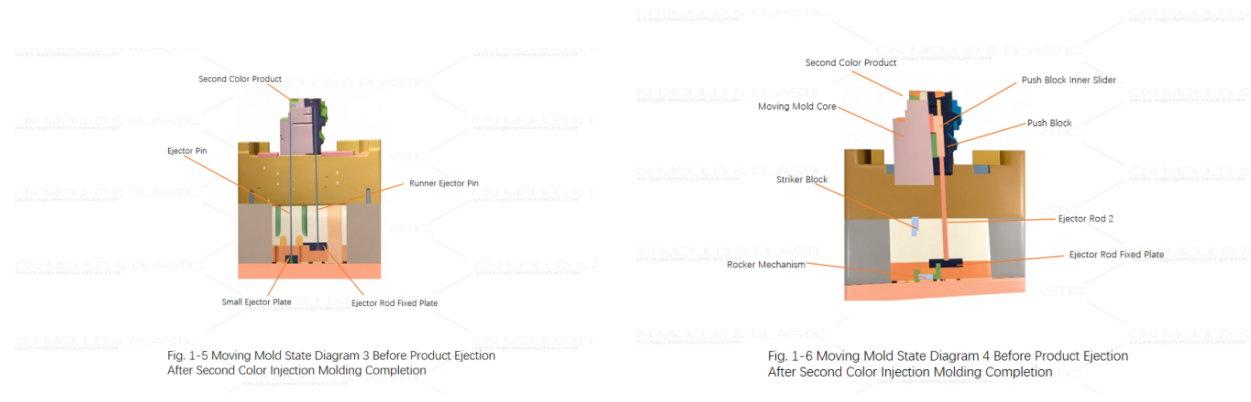
Leveraging the principle of leverage, the lever pivots and its other end pushes against the rod fixed plate. This action drives the second set of runner ejector pins forward at an accelerated speed, faster than the main push block is moving.
This differential speed is the key. The accelerated runner pins effectively push the solidified cold runner material out of the push block, while the main push block continues to support and eject the final part. This clever "secondary acceleration via lever" ensures the cold runner is fully and reliably ejected, preventing it from sticking or causing an automation failure.
Key Takeaways
This design highlights several important principles in advanced mold engineering:
Sequential Control: Complex parts require a mechanical sequence. Here, pull hooks and timing blocks create a reliable, sensor-free sequence that purely mechanical.
Differential Motion: The lever mechanism is an elegant solution to a common problem. By creating different ejection speeds for different components, it allows for the separation of the part from its runner system within the mold.
Hydraulic Power: Hydraulic cylinders provide the high force and precise control needed for such multi-stage ejection processes.

 English
  français
  Deutsch
  Español
  italiano
  русский
  português
  العربية
  dansk
dansk  Suomi
Suomi  Svenska
  norsk
norsk