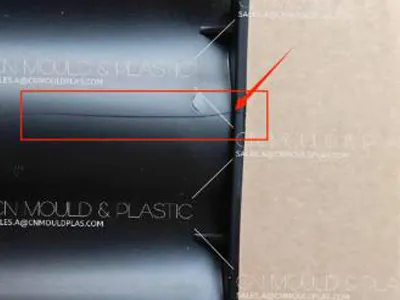
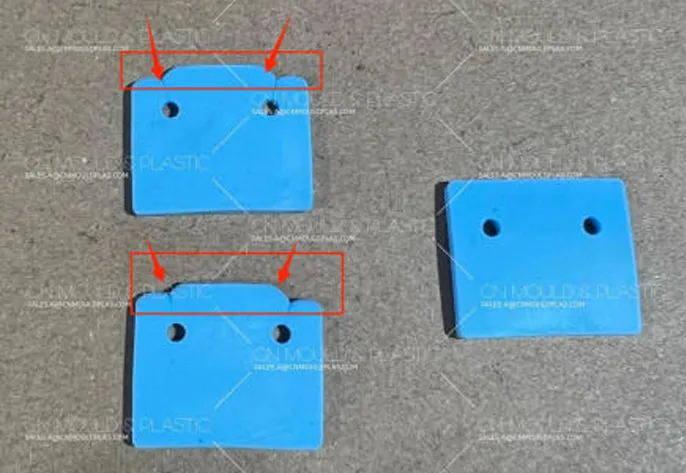
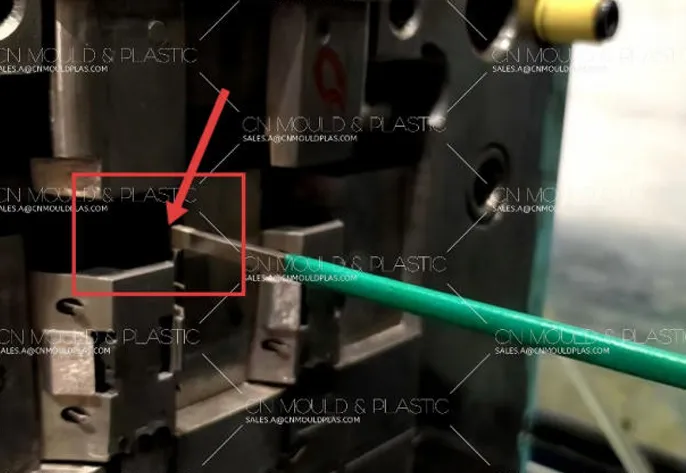
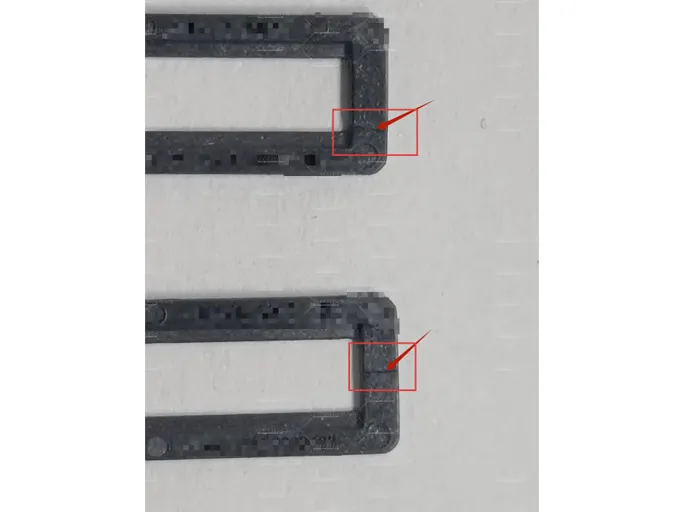
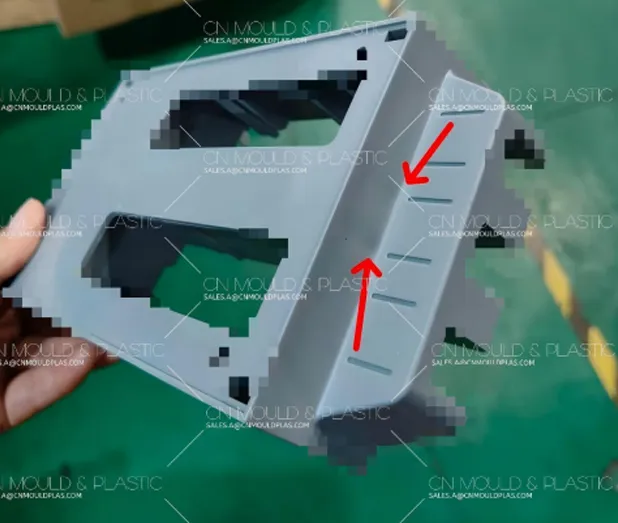
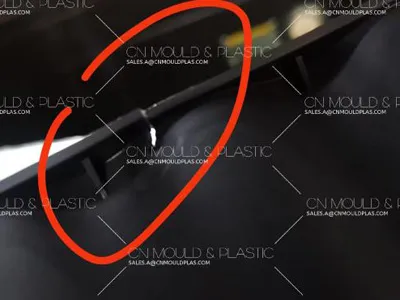
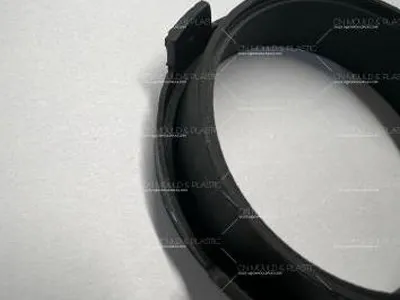
In the world of plastic injection molding, few quality issues are as frustrating and damaging as product cracking. This defect not only ruins the appearance of a part but, more critically, compromises...
Injection molding is a precise and efficient manufacturing process, but it’s not without its challenges. One frequent issue is the short shot—when the molded part isn’t completely filled, resulting...
In injection molding, sticking and poor part ejection are common but frustrating issues. While multiple factors can contribute, mold-related problems are often the primary cause. Understanding these c...
The main causes of weld lines are: When molten plastic encounters inserts, holes, areas with discontinuous flow velocity, or interruptions in the mold filling flow within the cavity, multiple streams ...
Process Control: The Foundation of QualityImproper machine settings are a primary culprit. Here’s what to check:Insufficient Pressure & Time: Low injection pressure, short injection/holding times...
Cracks are a common yet critical defect in plastic injection molded parts. They not only compromise the product's aesthetics but, more importantly, its structural integrity and longevity. This pos...
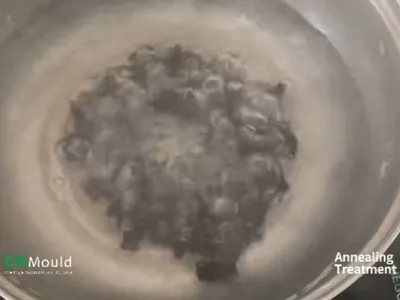
During the injection molding process, internal stress is inevitably introduced into plastic parts due to factors such as uneven plasticization, crystallization, molecular orientation, non-uniform cool...
Polypropylene (PP) is one of the most versatile and widely used thermoplastics. To achieve optimal results—whether you're molding consumer products, automotive components, or packaging—it's ...
Flash—the thin, unwanted excess of material along mold parting lines or ejector pins—is one of the most common defects in injection molding. Not only does it affect part appearance and dimensions, b...
In mold manufacturing, common methods include machining and electrical discharge machining (EDM). Under certain circumstances, both methods may affect the test molding process and leave specific machi...
 English
  français
  Deutsch
  Español
  italiano
  русский
  português
  العربية
  dansk
dansk  Suomi
Suomi  Svenska
  norsk
norsk