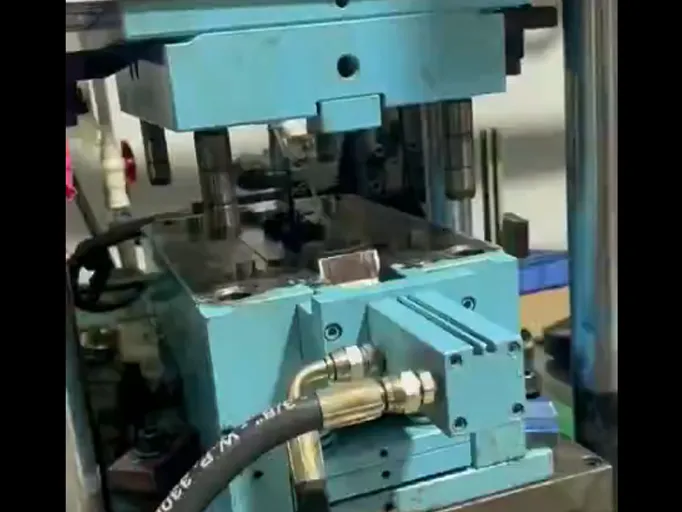
In the world of plastic injection molding, the longevity and precision of your mold are directly tied to your product's quality and your bottom line. Two of the most persistent threats to a mold's integrity are abrasive wear and corrosive wear. Understanding how to mitigate these issues is key to efficient production.
Managing Abrasive Wear
Abrasive wear is often the first challenge molders face. While it can be controlled through careful material selection, it is most aggressive in high-velocity areas—specifically, the gate.
As plastic melt rushes through the gate at tremendous speed, it acts like sandpaper, gradually eroding the steel. Over time, this enlarges the gate beyond its optimal size, negatively affecting part fill, pressure, and quality.
However, this wear isn't unstoppable. It can be significantly slowed down by choosing the right mold material and ensuring it is at the correct hardness level.
But what’s the most practical solution? Design for replaceability.
The best approach is to design the gate as a "wear part." By creating a mold structure where the gate is a separate, replaceable insert, you can swap it out quickly and at a low cost when it becomes worn, minimizing costly downtime.
This philosophy doesn't have to stop at the gate. Any mold component that comes into contact with the flowing plastic—such as cavities and cores—should be considered for this strategy. Anticipating where wear will occur and designing those areas as interchangeable inserts allows for quick, inexpensive repairs and keeps your mold running at peak performance.
Understanding Corrosive Wear
Corrosive wear introduces a chemical element to the problem. While the same principles of using wear-resistant materials and inserts apply, corrosion requires specific material defenses.
Some plastics, by their nature, release corrosive gases when processed. This is where material choice becomes critical:
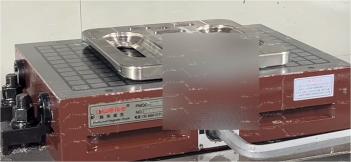
Chrome Plating: This is a common method used to protect standard steel surfaces from corrosion. However, it's important to weigh the pros and cons. Since stainless steel can be heat-treated to the same hardness as tool steel, the cost savings of plating standard steel versus using stainless are often minimal. For this reason, building the entire mold component from stainless steel is frequently the superior, long-term solution.
The Hidden Threat: Corrosive Gases
Beyond the liquid plastic itself, molders must also contend with the byproducts of the process. As mentioned, many plastics release corrosive gases during injection. These gases are designed to escape the cavity through the mold’s venting system.
As they pass through the vents and vents, they don't just disappear. They can aggressively attack and corrode the mold steel on their way out, damaging not only the cavity insert but also the surrounding mold plates and components.
For areas exposed to these fumes, the recommendation is clear: using stainless steel plates is the most effective way to ensure the mold base remains structurally sound and corrosion-free over its lifetime.
By understanding the differences between abrasive and corrosive wear, and by choosing the right materials and proactive design strategies, you can build molds that last longer, require less maintenance, and produce higher quality parts.

 English
  français
  Deutsch
  Español
  italiano
  русский
  português
  العربية
  dansk
dansk  Suomi
Suomi  Svenska
  norsk
norsk