TPU (Thermoplastic Polyurethane) is a high-performance polymer material. Compared to conventional plastics and rubber, TPU offers a wide hardness range, outstanding mechanical properties, and excellent resistance to both high and low temperatures. These characteristics make it suitable for a broad range of applications.
Important Note Before Processing
TPU has a notable characteristic: it is highly hygroscopic (absorbs moisture easily) and must be dried before processing. The recommended maximum moisture content for TPU compounds is 0.03%. For typical injection molding and extrusion materials, drying with a desiccant at 105°C for 2–4 hours is recommended. However, because different grades of TPU exist, always refer to the specific drying conditions for your material. Avoid exposing dried TPU to air for more than 30 minutes, as it will reabsorb moisture from the atmosphere. Additionally, TPU viscosity is highly sensitive to temperature changes, so precise temperature control during processing is essential.
Melt Processing Methods
1. Injection Molding
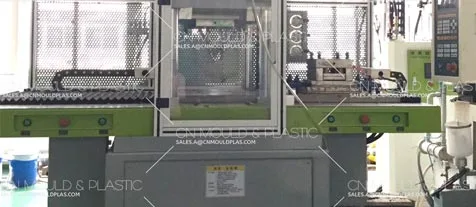
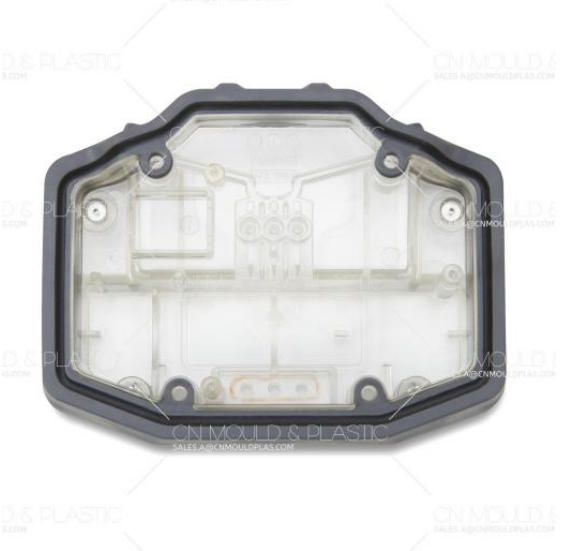
In this process, TPU pellets undergo plasticization, injection, and ejection during heating, followed by demolding. A screw-type injection molding machine is recommended, with a minimum compression ratio of 2.5:1 and a length-to-diameter (L/D) ratio between 16:1 and 20:1. The mold temperature should be kept as uniform as possible to prevent warping or deformation of the finished part.
2. Extrusion Molding
TPU pellets are heated and plasticized into a viscous fluid inside an extruder. The molten TPU is continuously forced through a die under pressure and then cooled. This method allows continuous production of pipes, rods, sheets, and profiles.
3. Blow Molding
Under extrusion or injection conditions, gas pressure is used to expand a hot TPU parison (hollow tube) inside a closed mold, forming a hollow product. This process is used to produce full-sole and half-sole air cushions for shoes, hoses, balls, air bladders, and other hollow TPU products.
4. Calendering
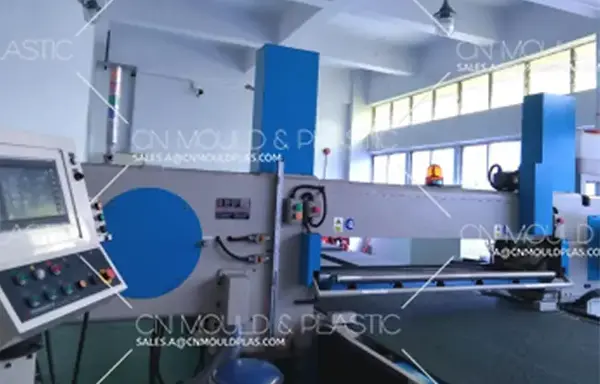
TPU is first plasticized and melted. The melt passes through the gap between two or more counter-rotating rollers (typically a four-roll calender), continuously producing sheets or films with a thickness of 0.08–1.52 mm. The process consists of compounding, plasticization, feeding the calender, calendering, pulling, cooling, winding, and cutting.
5. Foaming Molding
During TPU thermoplastic molding, inert gases such as carbon dioxide or nitrogen, or supercritical fluids, can be introduced to produce TPU foam materials. The physical foaming agents used in this method are relatively low in cost—especially carbon dioxide and nitrogen—and offer benefits such as flame retardancy and no pollution. They also leave no residue after foaming, which has little effect on foam performance. However, this method requires specialized injection molding machines and auxiliary equipment, making it technically demanding.
Alternatively, chemical foaming agents such as azodicarbonamide or bicarbonates can be added during TPU compounding. The chemical foaming agent decomposes under heat during extrusion, injection, or compression molding to produce TPU foam materials.
Solution Processing
Processing methods: Brushing, spraying, dipping
Common solvents: Acetone, methyl ethyl ketone (MEK), tetrahydrofuran (THF), dioxane, DMF, dimethyl sulfoxide (DMSO), etc.
Typical applications: Coatings, adhesives, artificial leather, synthetic leather
Preparation conditions: Dissolve with stirring in a sealed container; the solid content can typically reach up to 15%
Dissolution time: Depends on the type of TPU, solid content, solvent, temperature, and stirring speed

 English
  français
  Deutsch
  Español
  italiano
  русский
  português
  العربية
  dansk
dansk  Suomi
Suomi  Svenska
  norsk
norsk