Thermal Behavior of PVC
PVC behaves as a solid at temperatures below its glass transition temperature (Tg), which is approximately 80–85°C. Above this temperature, it begins to soften. When the temperature reaches the viscous flow temperature (Tf) at around 136°C, PVC starts to melt. However, when the temperature exceeds 140°C, significant decomposition occurs.
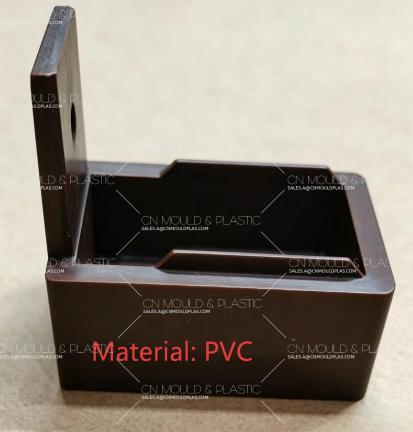
This narrow processing window — only about 4–5°C between melting and decomposition — makes PVC inherently difficult to process. The polymer is prone to discoloration (yellow → orange → brown → black) when exposed to heat or sunlight, accompanied by a decline in both mechanical and chemical properties.
The poor thermal stability of PVC is primarily due to unstable chemical structures within the polymer chain, including allylic chlorine atoms, branching structures, and the effects of oxygen, ozone, mechanical stress, and certain metal ions (such as iron and zinc).
Because the decomposition temperature is close to the melting temperature, thermal stabilizers are essential for processing. With the addition of stabilizers, the decomposition temperature can be raised to approximately 200°C. However, even with stabilizers, excessively high processing temperatures and prolonged residence times should be avoided to prevent thermal degradation. For service applications, PVC products are generally recommended for use below 60°C.
Measures to Improve Thermal Stability During Processing
Two main approaches are used to enhance the thermal stability of PVC:
During polymerization – Adjusting reaction conditions, modifying the process, or copolymerizing with small amounts of other monomers to reduce or eliminate unstable structures in the polymer chain.
During compounding – Adding thermal stabilizers to inhibit or slow down degradation.
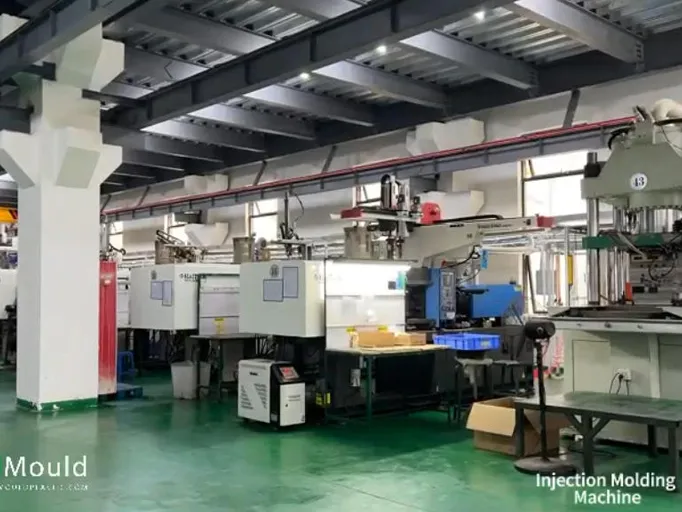
In practical injection molding, the most common approach is to incorporate thermal stabilizers. When selecting stabilizers, the following guidelines should be observed:
For general PVC injection molded products – Lead‑based stabilizers such as tribasic lead sulfate, dibasic lead phosphite, and dibasic lead stearate are commonly used as the primary stabilizer system. These are often supplemented with metal soap stabilizers — including cadmium stearate, zinc stearate, lead stearate, and calcium stearate — to enhance overall stability. The total stabilizer content is typically in the range of 5–7 phr (parts per hundred resin).
Currently, complex (combination) stabilizers are becoming more popular due to their improved efficiency and ease of use. High‑performance lead‑based complex stabilizers, for example, have very fine crystal particles and offer better stabilization at lower loadings — generally 4–5 phr — compared to conventional stabilizers.
For transparent or non‑toxic products – Stabilizer systems such as Ca/Zn, Ba/Cd, and organotin compounds are recommended, typically at dosages of 1–3 phr.
Important compatibility notes:
Organotin stabilizers should not be used together with lead salts or lead soaps, as this may cause contamination of the molded part.
When using EVA as an impact modifier, lead‑based stabilizers should be avoided, as they can cause poor processability and surface defects such as powder spots.
When using CPE as an impact modifier, zinc soap stabilizers should be avoided.

 English
  français
  Deutsch
  Español
  italiano
  русский
  português
  العربية
  dansk
dansk  Suomi
Suomi  Svenska
  norsk
norsk