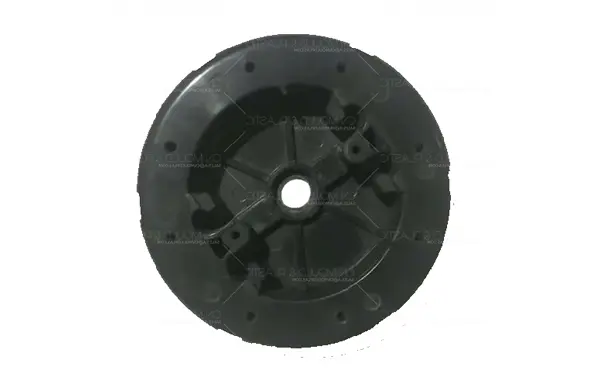
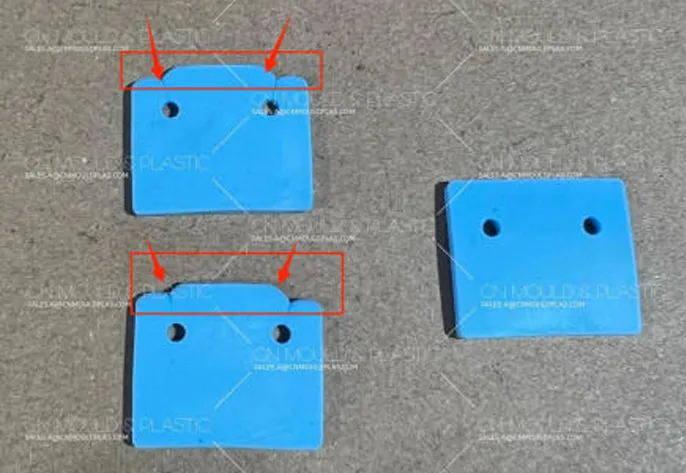
In the world of product design for items like containers, lids, and ducts, the material selection often comes down to a classic debate: plastic versus metal. While metal—especially specialized alloys or die-cast metals—offers superior strength, stiffness, and hardness, it often comes at a higher cost. For many applications, especially those not requiring heavy load-bearing capacity, engineering plastics present a compelling, high-performance alternative.
The ideal material for these components typically needs to excel in several key areas: excellent impact resistance, dimensional stability, a high-quality finish, good weatherability, and carefully managed internal stress. Plastics engineered for these purposes can meet these demands while offering unique advantages that metals cannot easily replicate.
So, when is plastic the more suitable choice? Consider these scenarios:
1.Vibration Damping & Noise Insulation: When you must prevent resonance and require effective sound or vibration isolation, plastics inherently absorb and dampen vibrations better than most metals.
2.Resilience Against Damage: For parts that need to withstand minor elastic deformation to prevent dents from accidental impact or handling, many tough plastics offer superior resilience compared to thin metal sheets.
3.Complex Geometries: If the part design is intricate, plastic injection molding allows for the production of highly complex shapes in a single step—often at a lower cost and with greater design freedom than complex metal fabrication or machining.
4.Eliminating Secondary Operations: Plastic components can be molded to final dimensions with integrated colors, textures, and finishes, eliminating the need for painting, plating, or other post-processing steps commonly required for metal.
5.Specialized Properties: When the application calls for electrical insulation or thermal resistance, full-body or partial translucency/transparency, or deep, permanent integral coloring, plastics provide inherent solutions.
6.Corrosion & Moisture Resistance: In environments prone to corrosion, humidity, or chemical exposure, many plastics offer excellent resistance and will not rust, reducing maintenance needs.

 English
  français
  Deutsch
  Español
  italiano
  русский
  português
  العربية
  dansk
dansk  Suomi
Suomi  Svenska
  norsk
norsk