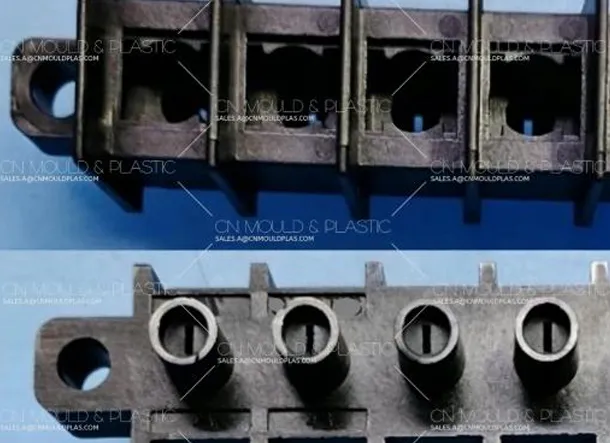
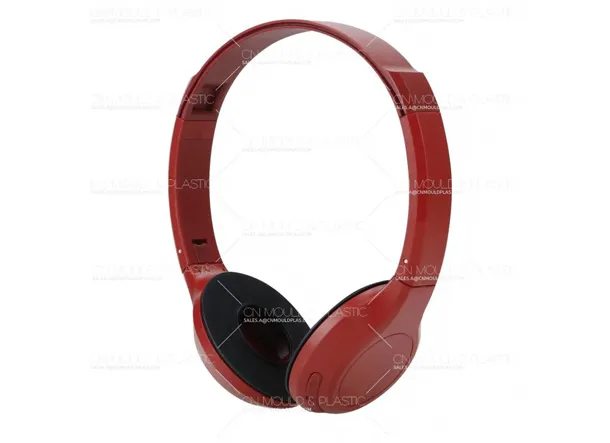
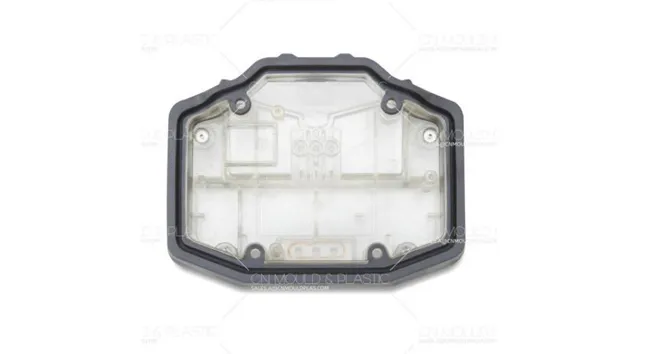
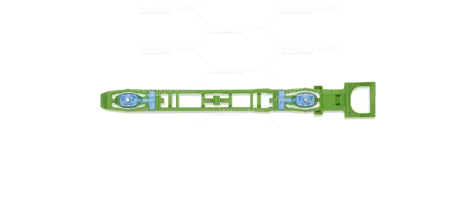
Polybutylene terephthalate (PBT) is a versatile engineering plastic widely used in electronics, automotive, and industrial applications. Its excellent electrical insulation and good flow properties ma...
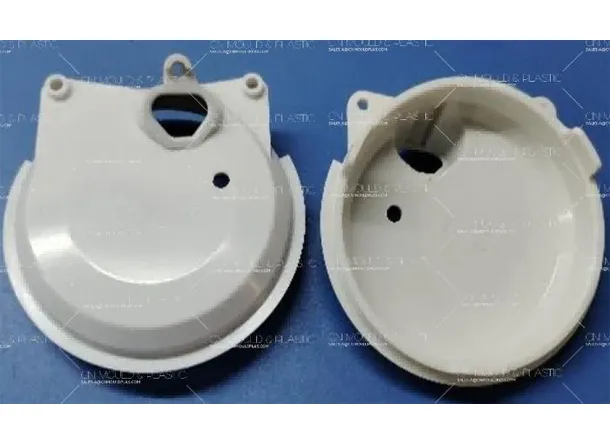
Polyoxymethylene (POM) is a high‑crystallinity engineering plastic with excellent mechanical properties and wear resistance. However, its thermal sensitivity and high shrinkage require careful proces...
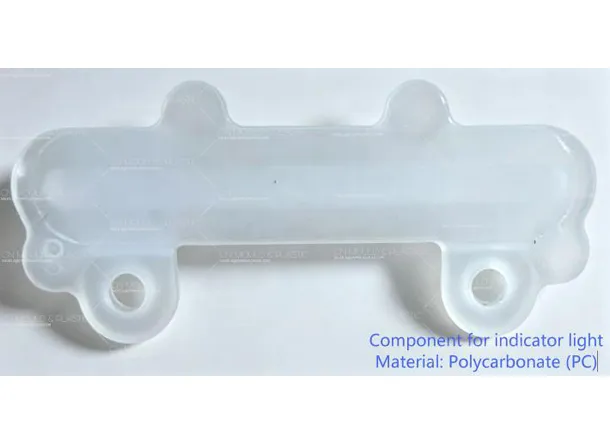
Material PropertiesPolycarbonate (PC) is a colorless, transparent engineering plastic with a density of 1.18–1.20 g/cm³ and light transmittance up to 90%. It offers high strength, excellent dimensio...
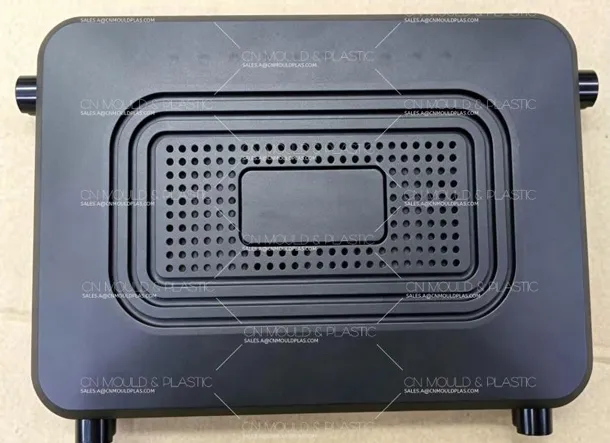
Material PropertiesABS offers an excellent balance of properties, including good heat resistance, rigidity, chemical resistance, high impact strength, high tensile strength, low-temperature toughness,...
Polypropylene (PP) is one of the most widely used thermoplastics in injection molding. Understanding its material properties, processing characteristics, and injection molding conditions is essential ...
TPU (Thermoplastic Polyurethane) is a high-performance polymer material. Compared to conventional plastics and rubber, TPU offers a wide hardness range, outstanding mechanical properties, and excellen...
In the world of plastic injection molding, the longevity and precision of your mold are directly tied to your product's quality and your bottom line. Two of the most persistent threats to a mold&#...
In the world of injection molding, not all polymers behave alike. The unique characteristics of each material directly impact the quality of the final product—both in terms of appearance and internal...
When molding rigid PVC (Polyvinyl Chloride) products, selecting and setting up the right injection molding machine is critical for product quality, process efficiency, and equipment longevity. Due to ...
Polystyrene (PS) is widely used in various industries due to its excellent transparency, lightweight, and processability. However, to obtain high-quality transparent PS products, strict attention must...
 English
  français
  Deutsch
  Español
  italiano
  русский
  português
  العربية
  dansk
dansk  Suomi
Suomi  Svenska
  norsk
norsk