Hydraulic oil contamination is one of the critical factors affecting the performance and service life of hydraulic systems. It not only leads to equipment failures but also shortens component lifespan while increasing maintenance and operational costs. In this post, we'll take a systematic look at the common causes of hydraulic oil contamination and the solutions to keep your system running efficiently.
Sources of Contamination
Air Contamination: Free air and bubbles becoming trapped in the hydraulic oil.
Solid Contamination: Mainly consisting of metal chips, dust, sand particles, and debris from seal wear.
Liquid Contamination: Primarily water, cleaning fluids, and chemical solvents.
Hazards of Contamination
1. Accelerated Mechanical Wear
Contaminants speed up wear between hydraulic components. The resulting wear particles further reduce lubrication effectiveness and, in severe cases, can cause component failure.
2. System Malfunctions
Contaminants can clog filters, precision passages, and clearances, affecting oil flow and pump efficiency. This may lead to hydraulic valves sticking or becoming inoperative.
3. Degradation of Oil Performance
The presence of water or air reduces the purity and lubricity of the oil, accelerating oxidation and deterioration.
4. Increased Cavitation and Corrosion
Entrained air can cause cavitation, damaging surfaces and destabilizing pressure. Inadequate lubrication or oxidation further hinders equipment operation.
Preventive Measures
1. Efficient Filtration
Install high-precision filters that meet system requirements and replace them regularly to effectively control particulate contamination.
2. Seal Maintenance
Regularly inspect and replace seals to prevent external contaminants from entering the system. Ensure correct installation and replace aging or damaged seals in a timely manner.
3. Clean Storage and Handling
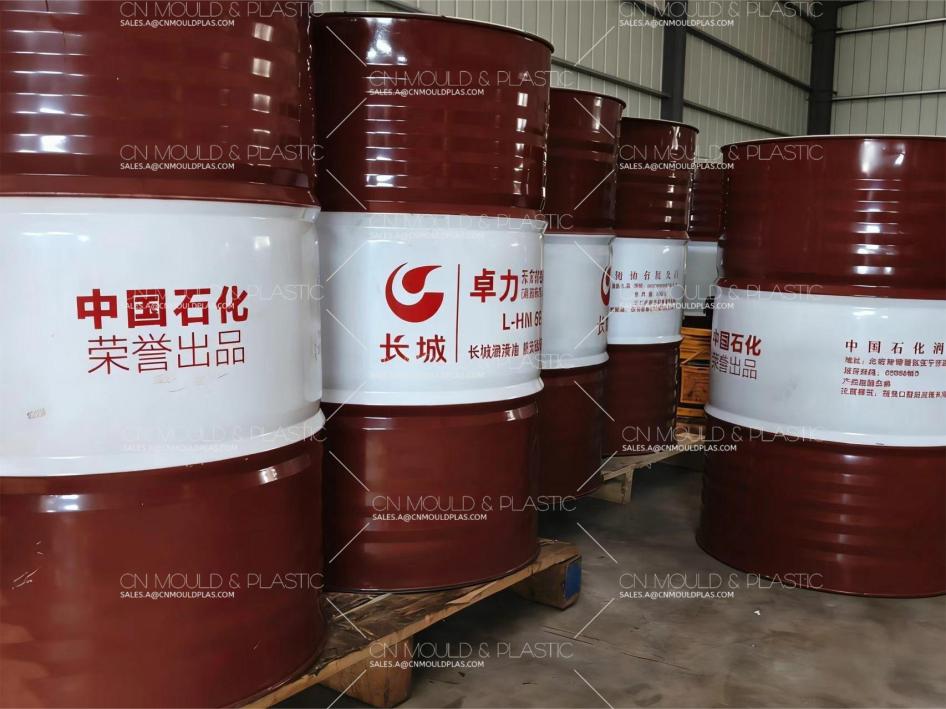
Add or replace hydraulic oil in a dust-free environment. Store oil in sealed containers to protect it from dust and moisture.
4. Regular Oil Analysis
Monitor key indicators such as particle count, water content, and oxidation levels. Early detection of contamination issues helps extend system life and reduce maintenance costs.

 English
  français
  Deutsch
  Español
  italiano
  русский
  português
  العربية
  dansk
dansk  Suomi
Suomi  Svenska
  norsk
norsk