The position of the gate is constrained by the appearance requirements of the molded products. Some surfaces of the product have strict aesthetic standards, which either prohibit the placement of gates or impose strict limitations on the type of gate used.
While small gates have minimal impact on appearance, they often lead to increased shrinkage of the molded product. In applications where shrinkage control is paramount, larger gates must be utilized.
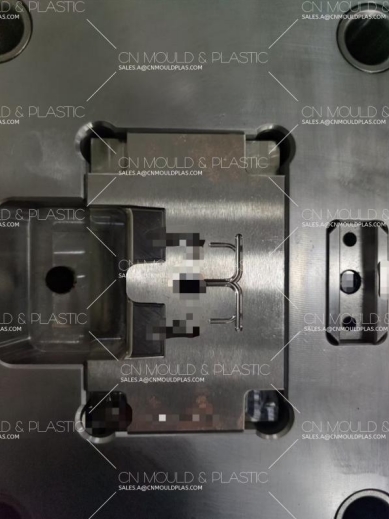
When a small gate is positioned to directly fill the cavity rather than facing the mold wall, there is a tendency for the material flow to jet out thinly. Subsequent plastic flows will swirl around the jetting flow, resulting in noticeable snake-like flow marks on the surface of the product. To avoid this jet flow, gates should be directed towards the core or mold wall, ensuring that the plastic entering the cavity immediately forms a "pudding-like" flow. Tapered or fan gates can help suppress the formation of jet flow and promote the creation of this "pudding-like" flow.
As pressure builds up inside the cavity, the floating core is pressed down by the molten material pressure, gradually moving to a retractable position, which then becomes one surface of the finished product.
Many injection molding factories prefer using tunnel gates to automatically separate the product from the runner. This avoids the labor-intensive task of manually removing gates and separating the runner from the product. Conversely, if an injection molding plant uses a robotic arm and needs to keep each cavity's product separate from others, connecting the product to the runner allows for automated removal using fixtures, which can also be a good option. In summary, effective communication between mold designers and injection molding factories is crucial.
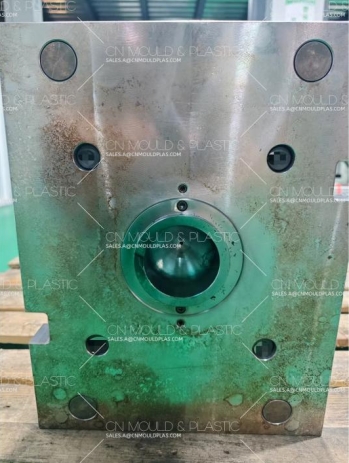
Gate sizes must be sufficiently large to control shrinkage. For semi-crystalline plastics, the gate size should be 50% to 100% of the wall thickness. The larger the gate size, the better the injection molding facility can manage the shrinkage of the product.

 English
  français
  Deutsch
  Español
  italiano
  русский
  português
  العربية
  dansk
dansk  Suomi
Suomi  Svenska
  norsk
norsk