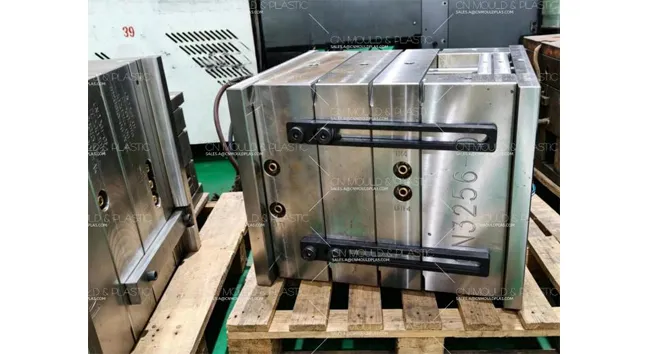
The gating system is one of the five core systems in plastic mold design. Its design directly impacts:
Part layout and number of cavities
Mold base configuration
Injection machine size selection
Injection molding costs
Mold manufacturing cost and complexity
Required injection pressure
Post-processing methods and associated costs
Poor gating design can cause minor defects like flash, sink marks, warpage, flow lines, weld lines, air traps, jetting, and shear marks - requiring extensive trimming. In severe cases, it can lead to incomplete filling, prominent weld lines, material degradation/burning, surface damage, core deflection, part dragging/scrapping, and render post-processing or packaging impossible, or cause issues like left/right part confusion.
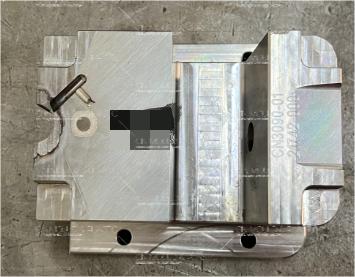
Components of the Gating System
The gating system consists of the sprue, runners, cold slug well, and gate (also referred to as the entry point).
Key Gating System Design Considerations
The gating system is the channel that delivers molten plastic into the mold cavity. This material is injected under high pressure, at high speed, and elevated temperature through the machine nozzle into the mold. The design quality of this system critically affects both part quality and cycle time. While designers aim for minimal pressure drop, temperature loss, and speed reduction as the melt flows through the system, this is idealistic. The practical goal is to optimize the design to minimize these losses as much as possible.
Designing the gating system requires careful consideration of the following aspects:
1. Gate type selection.
2. Gate location determination.
3. The cascading impact of the gating method on other mold structures.
4. Mold manufacturing difficulty and cost.
5. Injection molding difficulty and production cost.
6. Properties of the material being processed.
7. Potential for warpage, weld line location, and air traps.
8. Ease of operation during molding, including part removal and packaging.
9. Requirements for post-processing (e.g., plating, painting, silk screening).
10. Aesthetic requirements of the final product.
11. Moldability concerns: potential filling issues, high required injection pressure, and ease of ejection.
12. Design flexibility and room for modification if the initial design proves unsuitable.
13. Ease of post-molding operations like gate trimming, deflashing, etc.
14. Effectiveness for pressure transmission, melt flow, and cold slug capture.
15. Efficiency in air venting and minimizing weld lines and flow marks.
16. Compatibility with full-automatic or semi-automatic production modes.

 English
  français
  Deutsch
  Español
  italiano
  русский
  português
  العربية
  dansk
dansk  Suomi
Suomi  Svenska
  norsk
norsk