English
  français
  Deutsch
  Español
  italiano
  русский
  português
  العربية
  dansk
dansk  Suomi
Suomi  Svenska
  norsk
norsk 12-30

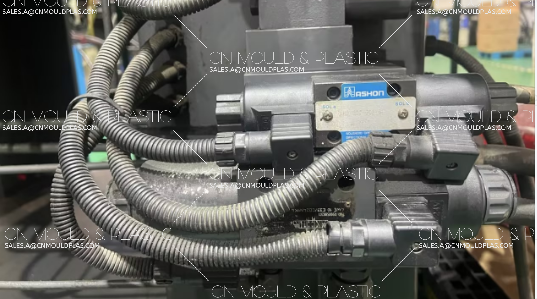
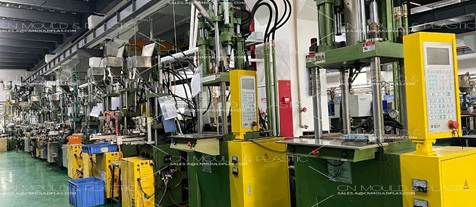
The control system of an injection molding machine relies heavily on various solenoid valves, with spool-type directional valves being the most widely used in hydraulic control systems. The term "oil valve" broadly refers to this entire category of valves. Maintaining these components is crucial for machine precision and longevity. This guide outlines common repair methods for their core parts.
① Cylindrical Spool
Minor wear on the spool can often be addressed by polishing it with an oilstone or fine sandpaper. For severe wear, the optimal solution is to manufacture a new matching spool based on the reconditioned inner diameter of the valve body. The fit clearance between the spool and valve body should be maintained within 0.01–0.025 mm, with roundness and cylindrical tolerance within 0.005 mm.
② Conical Spool & Seat
The worn conical surface of the spool should be finely ground using an oilstone. For the matching conical seat in the valve body, use an oilstone with a 120° cone angle for precision grinding to restore a proper seal.
③ Ball Check Valves
When the valve sealing element is a steel ball, the primary repair action for a worn or out-of-round ball is straightforward replacement with a new one.
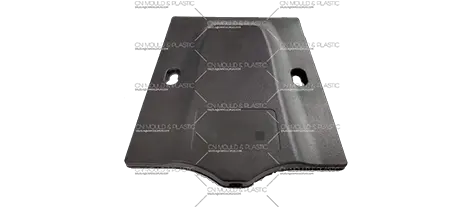
Valve maintenance extends beyond the spool to include components like springs, push rods, and solenoid coils.
Springs: Pay close attention to their elastic force. Uneven spring force can be corrected by swapping springs or replacing them.
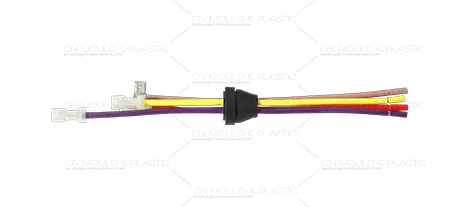
Solenoids: Check the coil resistance, the magnetic pull force, and the stroke of the push rod. Insufficient magnetic force typically requires solenoid repair or replacement.
Reassembly is Key: During disassembly and reassembly, carefully note the sequence and orientation of all parts. This is especially critical for asymmetrical spools and valves with primary/secondary spring arrangements. Incorrect installation will impair function.
For both spools and seats, if wear is not excessive, the final finishing can be achieved through careful oilstone grinding. The final assembly clearance between the directional valve spool and its seat should be precisely controlled within the range of 0.006–0.012 mm.