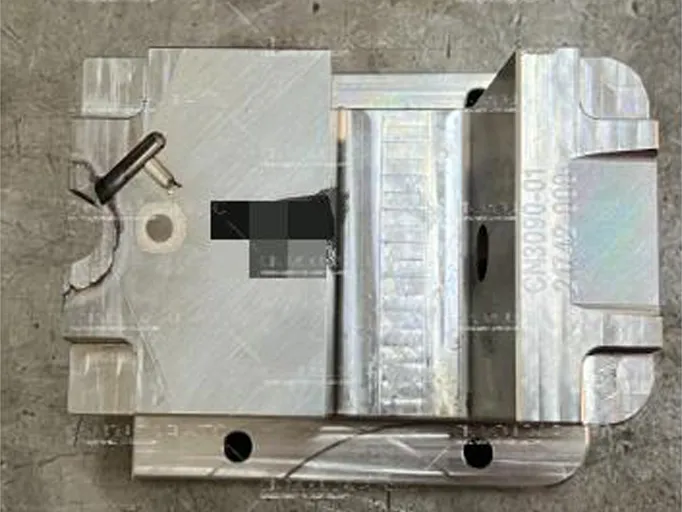
Getting your part perfectly molded is only half the battle. The other half is getting it out of the mold without damage. A poorly designed ejection system can ruin a perfectly good part, cause mold damage, and increase cycle times.
So, let's break down the key design principles for an effective ejection mechanism.
Key Design Points for Ejection Mechanisms
1. Keep the Part on the Ejection Side: This is Rule #1. During mold opening, the part should preferentially remain on the moving half (the side with the ejection system). This allows the mold's opening motion to directly drive the ejection sequence. The ejector pins or plates are typically driven by the molding machine's ejector rod or a hydraulic cylinder on the moving side. If the part sticks to the fixed half, you'll need complex secondary mechanisms, so design your part geometry and mold surfaces (like texture or draft) to encourage retention on the moving side.
2. Distribute Force Evenly to Prevent Damage: Avoid part distortion or surface marks! The ejection force must be balanced across the part. After cooling, the plastic shrinks and creates a "packing force" against the mold core. This force isn't uniform; it depends on the part's shape, wall thickness, and mold surface finish. Carefully analyze these forces to determine the optimal number, size, and placement of ejector pins or other ejection elements. More pins over a larger area usually mean less stress per point.
3. Mind the Aesthetics - Hide the Ejector Marks: Ejector pins always leave a witness mark (a small circle or pattern). For parts with high cosmetic requirements, you must position these marks in non-visible areas. Whenever possible, place ejection features on the inside of the part or on hidden surfaces. This is especially crucial when using simple ejector pins.
4. Prevent Flash with Tight Tolerances: The ejector pins (or sleeves, blades, etc.) slide through the mold steel. The clearance between them must be precise—tight enough to prevent molten plastic from leaking in and creating unsightly "flash," but loose enough to move freely without binding. Proper machining and hardening are key here.
5. Ensure Smooth, Reliable, and Robust Motion: The entire ejection system must operate smoothly, cycle after cycle. It requires sufficient mechanical strength and wear resistance. Also, watch out for interference! During mold closing, ensure that the advancing ejector pins don't crash into other mold features like cores or slides. In complex molds, you might need an "early return" mechanism to retract the ejector pins before the mold halves close completely.
6. Guarantee Proper Reset for the Next Cycle: After ejection, the system must fully and accurately retract to its starting position before the next injection cycle begins. Incomplete retraction will cause the pins to collide with the mold during the next closing, leading to catastrophic damage. Proper return springs, pins, or hydraulic sequencing are essential.

 English
  français
  Deutsch
  Español
  italiano
  русский
  português
  العربية
  dansk
dansk  Suomi
Suomi  Svenska
  norsk
norsk