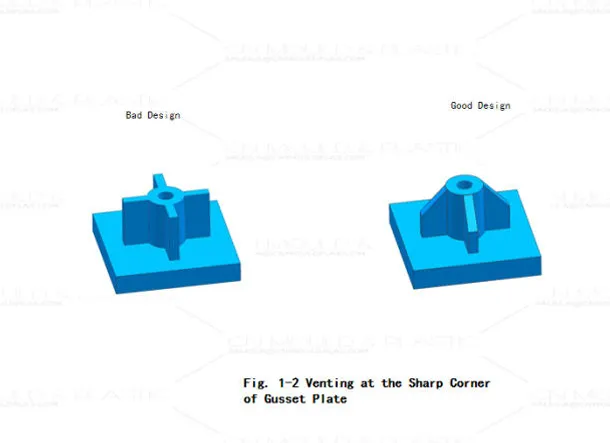
In the design of plastic or lightweight structural parts, ensuring stability and strength without unnecessarily increasing weight or wall thickness is a common challenge. This is where features like g...
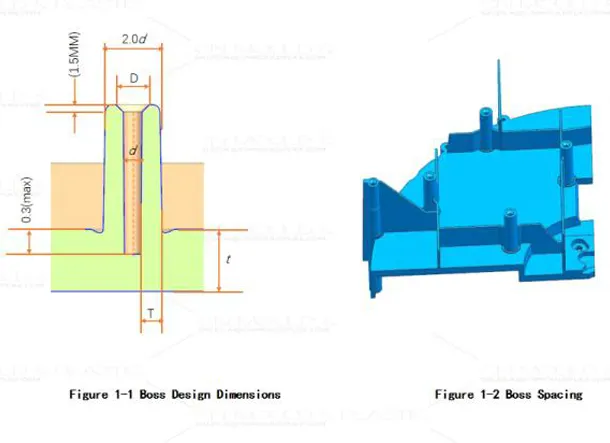
In the world of plastic part design, bosses are unsung heroes. These often-small features play a critical role in assembly, providing secure points for screws, threaded inserts, and other fasteners to...
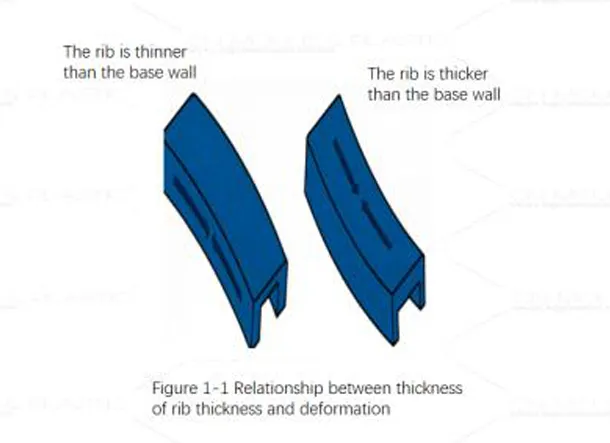
In injection molding, the thickness of ribs is more than just a design detail—it can significantly affect how a part cools, shrinks, and ultimately, whether it warps. Understanding this relationship ...
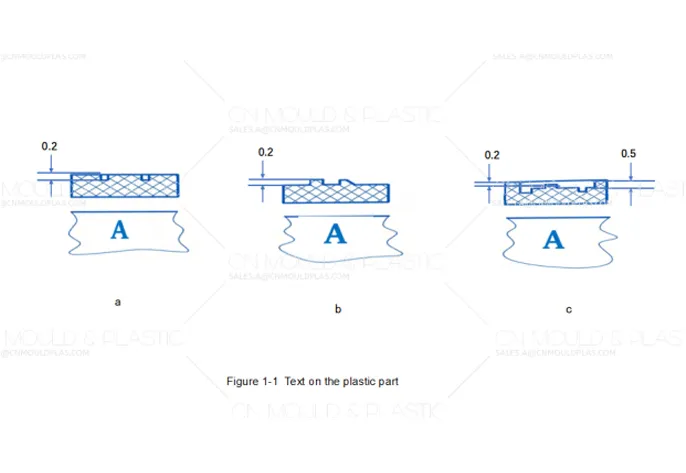
In the world of injection-molded plastic parts, aesthetics and functionality often go hand-in-hand. Whether for branding, user instructions, safety labels, or purely decorative purposes, adding textur...
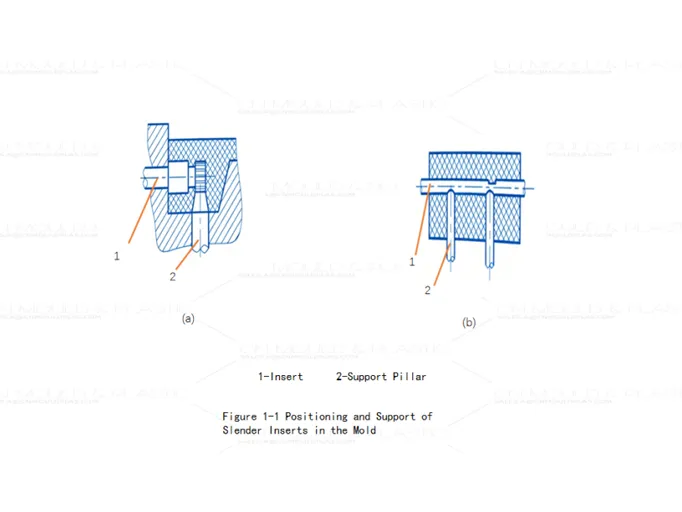
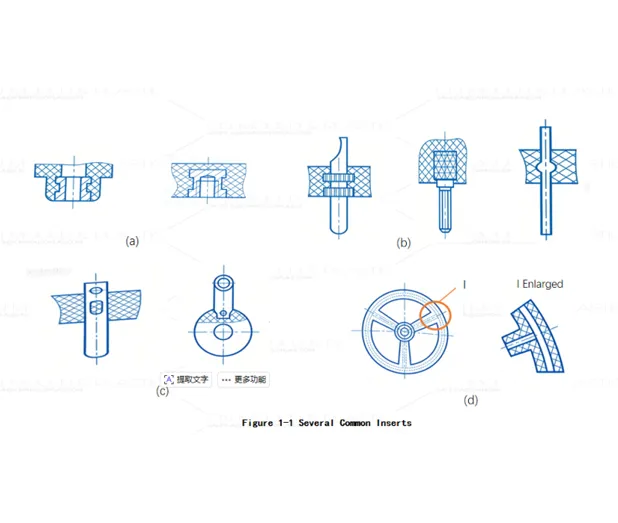
The use of metal inserts in plastic injection molding enhances part functionality but introduces design challenges. Poor insert design can lead to defects like cracks, warpage, or failure. This post o...
The purpose of embedding inserts in plastic products is to enhance local strength, hardness, wear resistance, electrical conductivity, magnetic permeability, etc., to increase the dimensional and shap...
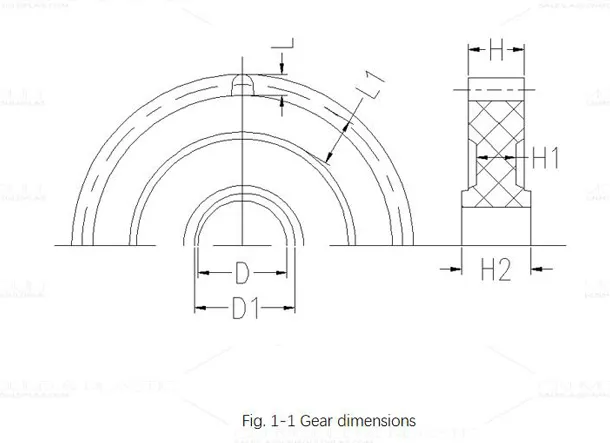
Plastic gears are increasingly used in electromechanical devices, consumer products, and transmission systems where high precision and strength are not the primary requirements. Their advantages inclu...
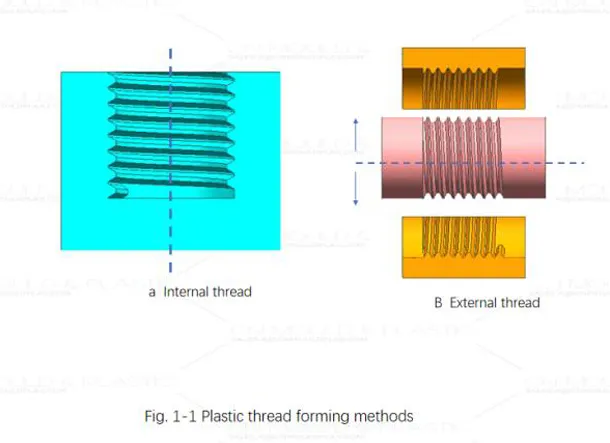
Plastic threads are integral to countless products, from simple bottle caps to complex automotive assemblies. Understanding how to design them effectively is crucial for ensuring both manufacturabilit...
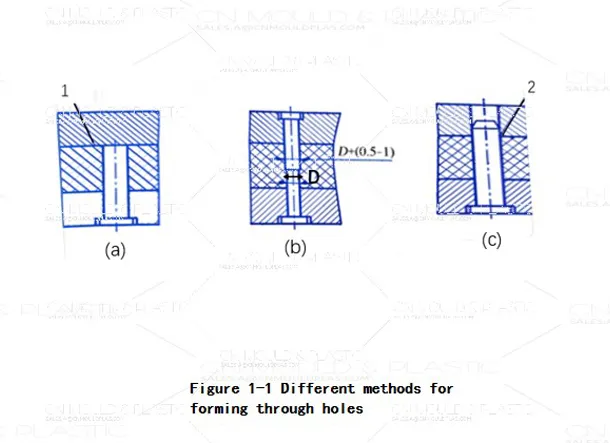
Holes are essential features in plastic parts, serving various purposes such as assembly, communication, decoration, and more. Common types include through holes, blind holes, stepped holes, special-s...
To avoid stress concentration, enhance the strength of plastic parts, improve melt flow, and facilitate demolding, transitional arcs should be applied at all junctions between inner and outer surfaces...
 English
  français
  Deutsch
  Español
  italiano
  русский
  português
  العربية
  dansk
dansk  Suomi
Suomi  Svenska
  norsk
norsk