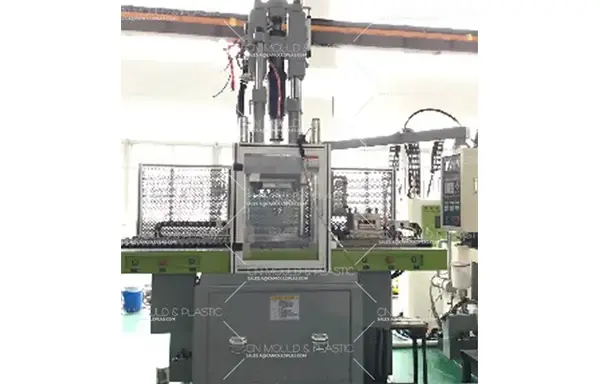
The heating barrel serves as the core component of the injection molding machine's thermal system. The heating circuit plays a vital role in the plasticizing process, typically governed by temperature controllers while thermocouples monitor barrel surface temperatures. Nozzle heating is regulated either by separate thermostats or the main temperature control unit. A standard configuration uses 6 heater bands across 3 zones, all managed through AC contactors. For balanced power distribution, both heaters in each zone share a single phase, with the three zones connected across the three-phase supply.
Maintenance Checklist:
AC Contactor Inspection
Frequent operation leads to pitted, damaged, or poor-contact main terminals, necessitating regular maintenance
Continuous coil energization causes overheating, degradation, and abnormal noise
Action: Periodic replacement recommended
Heater Band Maintenance
All heater bands have limited service life under continuous operation
Common failures include: short circuits in power wiring, burnt magnetic connectors, and damaged terminal posts
Most shorts result from human factors: cable strain during cleaning, material leakage, or loose connections
Installation Protocol:
1. Secure heater bands firmly in housing
2. Tighten terminal connections before connecting power wires
3. Re-tighten terminals after several hours of operation to compensate for thermal expansion
Temperature Control System
The temperature controller's accuracy directly impacts product quality, especially for temperature-sensitive materials
Inaccurate control causes material degradation (burning/discoloration)
Thermocouples must be properly seated in measurement holes with secure lead connections
Calibration: Use thermometers to verify controller accuracy (±10°C tolerance acceptable for most materials)
Common Temperature Controller Failures
Control failure due to burnt relay contacts
Large deviations from faulty dial switches or degraded ICs
Component failure in voltage regulation circuits (Zener diodes, potentiometers, precision resistors)
Display unit malfunction
Troubleshooting Procedure
1. Systematically check from power supply to heater bands
2. Measure and calibrate circuits to identify faulty components
3. Replace damaged parts with identical specifications (note thermocouple types, heater wattage, parallel configurations)
4. Final calibration and testing

 English
  français
  Deutsch
  Español
  italiano
  русский
  português
  العربية
  dansk
dansk  Suomi
Suomi  Svenska
  norsk
norsk