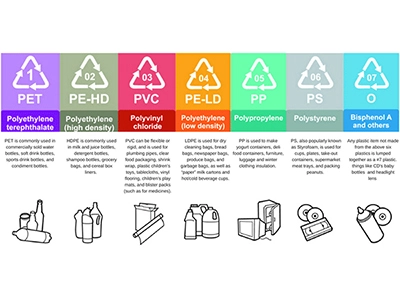
When molding rigid PVC (Polyvinyl Chloride) products, selecting and setting up the right injection molding machine is critical for product quality, process efficiency, and equipment longevity. Due to the unique thermal and chemical characteristics of PVC, standard machine configurations might not suffice. Here are the essential factors to consider:
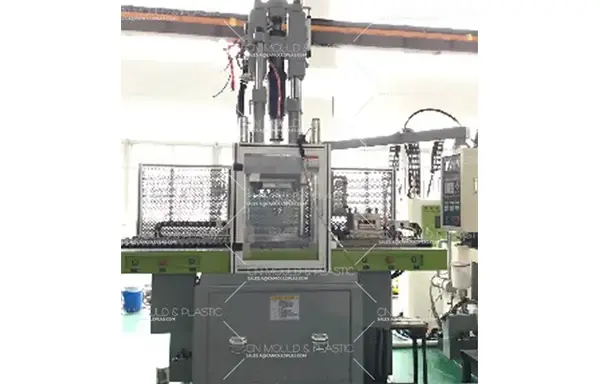
Machine Type: Prefer a Screw-Type Injection Molding Machine
For processing rigid PVC, a screw-type injection molding machine is highly recommended. Its advantages are clear:
High Plasticizing Efficiency & Uniformity: It ensures the PVC compound is melted consistently.
Fast Plasticizing Cycle: This reduces the overall cycle time.
Short Residence Time: Material spends less time in the barrel, minimizing the risk of thermal degradation.
Reduced Injection Pressure Loss: This allows for more effective filling of the mold cavities.
Contact Surface Requirements: Avoid Adhesion, Resist Wear & Corrosion
All components that come into contact with the PVC melt must be specially considered:
Non-Stick & Non-Retentive: Surfaces should prevent material from sticking or stagnating, which can lead to degradation.
Corrosion & Wear Resistance: Due to the potential release of HCl (hydrochloric acid) during processing, these parts must withstand corrosion and abrasion. The ideal solution is to use machines built with corrosion-resistant and wear-resistant alloys or to ensure that contact surfaces are treated with chromium plating or nitriding.
Precise & Responsive Temperature Control
A stable and accurate thermal profile is vital for PVC. The machine’s temperature control system (including thermostats, voltage regulators, etc.) must be:
Accurate: Providing reliable temperature readings.
Responsive: Capable of quickly adjusting to maintain the set temperature points, ensuring consistent melt quality.
Screw Design and Configuration
The screw is the heart of the plasticizing unit. For rigid PVC, the following specifications are advised:
Type: A gradual compression screw is preferred
Ratio: A length-to-diameter ratio (L/D) of 12–20 and a compression ratio (C/R) of 2–2.5 are suitable.
Geometry: The screw head should be pointed (sharp) to minimize areas where material can stagnate.
Section Distribution: A typical distribution along the screw length is:
Feed Section: ~40%
Compression Section: ~40%
Metering Section: ~20%
Additional Crucial Component: The Nozzle
Given the high melt viscosity of PVC, reducing flow resistance is key.
Choice: Opt for a nozzle with a larger orifice diameter (4–10 mm), such as a general-purpose nozzle or an extended nozzle.
Temperature Management: The nozzle must have its own independent heating and temperature control unit to prevent premature cooling and blockage.

 English
  français
  Deutsch
  Español
  italiano
  русский
  português
  العربية
  dansk
dansk  Suomi
Suomi  Svenska
  norsk
norsk