Same silicone compression molded part. Same material. Some last for years without leaking or collapsing. Others go flat in two or three months—lost rebound, failed seal. The difference usually isn't the formula. It's the curing process.
In silicone rubber compression molding, shaping and crosslinking happen at the same time inside the mold. Today, let's break down how precise molding control keeps silicone parts stable and reliable.
First-Stage Vulcanization: Locking In the Shape Inside the Mold
First-stage vulcanization, also called shaping vulcanization, has a straightforward job: form the silicone rubber in the mold while completing crosslinking, so the shape stays put.
Compression molded parts are typically cured on a platen press. Curing temperature runs 150–180°C, and time runs 10–30 minutes. The exact temperature and time depend on the compound type and part thickness.
This step is the lifeline of compression molding. Mold structure, compound plasticity, and part projection area all affect curing. Too low a temperature or too short a time leaves the part undercured—resulting in poor rebound and white spots. Too high or too long makes it over-cured, brittle, or warped. Finding the perfect balance between temperature, time, and pressure is our daily job in molding.
The Three Essentials: Time, Temperature, Pressure
In silicone compression molding, shaping and curing happen simultaneously. Pressure is typically set at 3–10 MPa, depending on compound plasticity, mold structure, and projection area.
There are three essentials: time, temperature, and pressure. Without temperature and time, the part won't cure. Without pressure, it won't form. Curing parameters depend on the curing agent and part thickness; pressure depends on mold size and part type.
Defects: Check the Process First, Formula Second
If you run into sticking, warping, bubbles, or undercured white spots, don't rush to change the formula. These four common defects usually mean mold temperature, venting, and pressure aren't working together:
Sticking: Check demolding and temperature
Warping: Check curing degree and cooling
Bubbles: Check venting design
White spots: Check curing time and temperature
At heart, the three essentials are out of balance. Combine this with proper deflashing, and you get a smooth, burr-free surface.
What We Can Make with Compression Molding
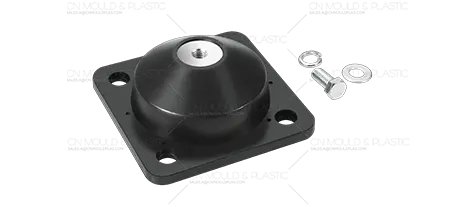
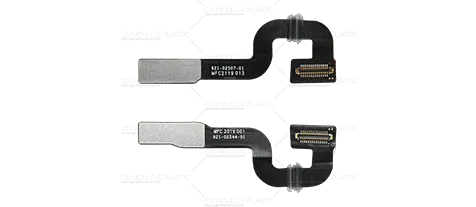
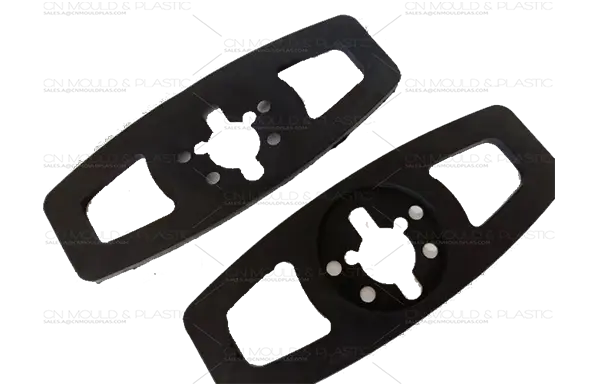
With different molds, compression molding can produce a wide range of silicone rubber parts: silicone keypads, O-rings, gaskets, cushioning pads, soft shoe insoles, bag shoulder pads, soft toy gifts, fishing lures, and adult product components. Compression molding is highly flexible and suits small-to-medium batches, multiple product types, and relatively complex silicone parts.

 English
 français
 Deutsch
 Español
 italiano
 русский
 português
 العربية
 dansk
 Suomi
 Svenska
 norsk